Understanding Used Poultry Farm Equipment
Why Buy Used Equipment
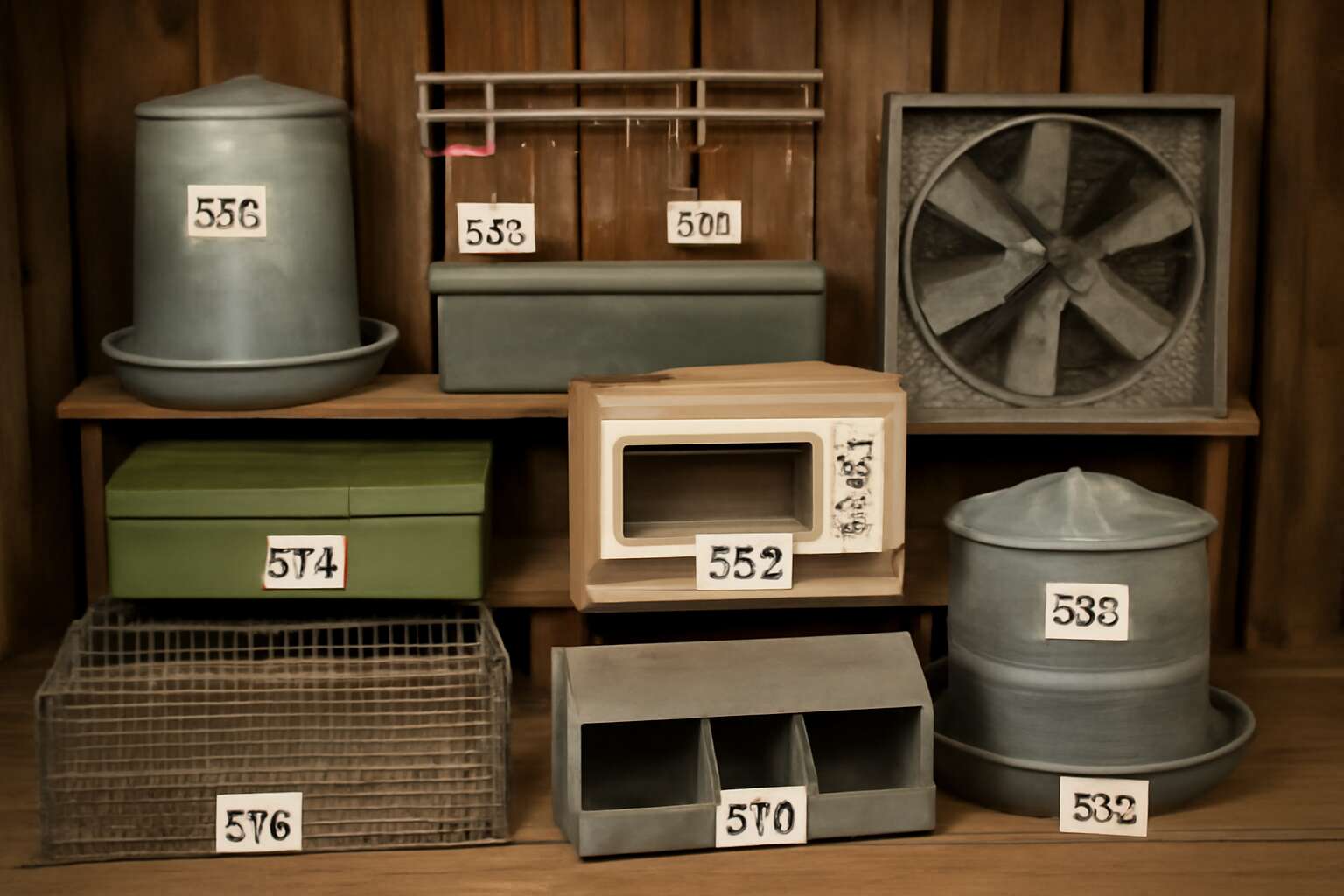
“Gear with a history can outlast the sticker price,” a veteran South African poultry farmer likes to remind us. Understanding used poultry farm equipment opens doors to reliability without breaking the bank, and it all starts with a clear picture of what’s available: a well-curated used poultry farm equipment list with pictures helps you compare at a glance.
Why buy used equipment? It stretches budgets, speeds up growth, and cuts waste in a market as variable as our weather. Reputable SA suppliers back refurbished gear with service histories and tested performance. The trick is balancing price with function, ensuring components match flock size and climate.
Typical items you’ll find in a well-kept catalog include:
- Brooder stoves and heat panels
- Feeders and drinkers
- Ventilation fans and climate controls
- Conveyor belts and egg collection systems
- Cages, roosts and perches
Assessing Value and Depreciation
Across South Africa’s poultry yards, refurbished gear often outperforms its price tag; a recent SA survey finds 60% of buyers recoup more than half their investment within 18 months. Understanding value begins with a clear lens: a used poultry farm equipment list with pictures lets buyers gauge condition, fit, and hidden wear at a glance. The math of depreciation follows truth: newer models carry steeper initial drops, while sturdy service histories preserve worth long after the sale sign fades.
- Age and service history
- Condition of critical components
- Availability of spare parts and local service
- Energy efficiency and climate-control compatibility
- Fit with flock size and housing configuration
Depreciation becomes a narrative rather than a number, shaped by maintenance culture and regional climate. In the SA market, buyers who read the history between the parts—and the pictures—often negotiate from strength rather than impulse.
Warranty and Seller Trust
Across South Africa’s farms, a warranty can tilt a deal toward certainty and away from howling depreciation. “A clean history is a shield against the fangs of depreciation,” a seasoned dealer murmurs, and the barn lights seem to tremble at the truth spoken aloud.
Understanding warranty and seller trust begins with clarity. A seller who offers a clear warranty window, coverage on critical components, transferable terms, and access to a local service network speaks in a language buyers respect.
- Warranty duration and scope
- Transferability and claim process
- Evidence of ongoing maintenance
- Proximity to local service and parts
A well-curated used poultry farm equipment list with pictures anchors decisions.
Trust is earned in the paperwork as much as the machine’s metal. Request receipts, serial numbers, and crisp photographs of hinges, meters, and panels. A hidden stigma—undetected wear—shrinks when third-party inspections and reasonable return considerations whisper their verdict in your favour.
In the still SA night, a seller’s honesty becomes a quiet lantern, guiding hands toward a purchase that feels inevitable rather than accidental.
Safety and Compliance Considerations
Safety is more than a box-tick on a contract; it is the quiet anchor that keeps hens healthy and workers whole. In the field, one missed guard, one loose feed bin, and downtime spirals like a storm at dusk. Compliance, though precise, can be practical and patient, rewarding vigilance with uptime.
Key safety and compliance checkpoints to verify before purchase:
- Electrical guarding and lockout procedures that are intact and functional
- Clear maintenance logs and service history that are traceable
- Accessible emergency stops and clear labeling on controls
- Biosecurity measures and equipment cleaning protocols
- Safe storage for chemicals, PPE, and spare parts
When a seller can present a clean record and a photograph of every critical component, the impression is of a sturdy, compliant partner. A well-curated “used poultry farm equipment list with pictures” makes risk legible and decisions decisive, aligning safety with value in a market that never sleeps in the South African night.
Where to Find Reputable Listings
Equipment decisions drive uptime in a South African poultry house. “Pictures do the talking,” a veteran dealer often says, and a solid listing should do the talking twice. A focused look at reputable sources can cut through the noise and save days of farming downtime.
Where to find reputable listings? Start with trusted dealers who refurbish and certify gear, then move to established online marketplaces with seller ratings, farm auctions, and farmer co-ops. The following sources tend to offer clear photos and service histories:
- Established dealers with refurbishment and certification programs
- Reputable online marketplaces with transparent seller reviews
- Seasonal farm auctions and reputable co-ops
- Direct farm-to-farm networks with verifiable gear histories
Look for a comprehensive overview: a used poultry farm equipment list with pictures, serials, model numbers, and a visible maintenance trail. When details are complete, buyers read risk into value and move with confidence.
Common Types of Poultry Farm Equipment
Feeding and Watering Systems
Across South Africa’s growing poultry farms, keeping birds hydrated and fed is as much about rhythm as machinery. A well-timed system slashes waste and boosts growth, and the impact is measurable; healthier birds, steadier weight gain, brighter futures. If you’re compiling a used poultry farm equipment list with pictures, this section shines a light on feeding and watering essentials that endure, quietly shaping tradition and progress on the farm.
Feeding and watering systems come in several practical forms, each chosen to fit flock size and shed layout.
- Nipple drinkers
- Bell drinkers
- Automatic trough systems
- Gravity-fed lines
These components form the backbone of healthy birds and efficient operations, a cornerstone of any used poultry farm equipment list with pictures.
Ventilation and Climate Control Equipment
Ventilation and climate control shape not just comfort but the fate of a flock. Across South Africa’s diverse climate, steady air exchange is the quiet mandate—keeping ammonia low, birds calm, and growth on track. In a used poultry farm equipment list with pictures, these systems stand out as both necessity and restraint, turning shed breath into reliable rhythm.
- Exhaust fans and ridge-line fans
- Inlet shutters or louvers
- Evaporative cooling pads
- Heaters and thermostats
These components work hand in hand with temperature control and humidity management to steady floor conditions and feathered performance. Tunnel ventilation, sidewall setups, and smart ducting adapt to shed size, age of birds, and seasonal demand—proving that climate care is as strategic as it is essential.
Laying and Nesting Equipment
In the pulse of a successful South African poultry shed, nesting equipment is where daily life and destiny meet. As part of a used poultry farm equipment list with pictures, these fixtures lend elegance to a practical rhythm, turning quiet care into sustained egg yield.
Laying and nesting gear spans from sturdy nest boxes and cushioned perch rails to adaptable drop boards and egg belts. Thoughtful design matters here: easy-clean surfaces, adjustable heights, and good ventilation around the nest space keep hens calm and rows of spotless eggs rolling forward.
- Nest boxes made of durable plastic or galvanised metal
- Removable liners and pull-out trays for quick cleaning
- Adjustable height and divided perches for comfort
- Egg collection belts or conveyors with gentle speed
In a market where second-hand gear can rival new in reliability, these elements deserve a closer look for balance of cost and longevity.
Housing and Bedding Solutions
In the pre-dawn hush of a South African shed, housing and bedding are the quiet sentries of a thriving flock. A well-chosen shelter can trim costs as deftly as a scalpel — and history shows that durable, easy-clean environments cut losses in half over five years. “The right shelter forgives a multitude of missteps,” a veteran farmer once whispered, and the truth lingers. In the realm of a used poultry farm equipment list with pictures, these elements reveal a lineage of design intent and longevity.
Common housing types and bedding strategies include:
- Portable, skidded sheds with galvanised frames for quick relocation
- Coops with raised roosts, plastic nest trays, and removable litter boards
- Bedding options like pine shavings, straw, or rice hulls, with a recommended litter depth
Such features matter when assessing a shed’s resilience; you want structures that resist rust, simplify cleaning, and keep hens calm through the night.
Cleaning and Waste Management Tools
Across South Africa’s resilient poultry sheds, a clean routine is a quiet profit center—one veteran farmer swears that clean, well-managed waste handling can trim costs by a third over a year!
In a used poultry farm equipment list with pictures, cleaning and waste-management gear are the steady workhorses behind every successful setup.
- High-pressure washers with water recycling features
- Manure scrapers and belt conveyors to move litter efficiently
- Portable, biosecure waste bins and compact disposal pits
Choosing used equipment, verify rust resistance, ease of cleaning, and local parts availability; these features keep the farm running through the night.
Quality Photos and What They Reveal
Interpreting Photos for Condition
A picture is worth a thousand rand, they say, and that wisdom shines in a used poultry farm equipment list with pictures. Sharp, candid photographs reveal more than glossy brochures; they hint at the equipment’s journey and true condition, matters when every rand counts in South Africa’s poultry markets.
Quality photos that crop in on frames, welds, and troughs separate marketing gloss from real durability. When images show hinges, seals, and wear, the story becomes clear:
- Rust on frames or fasteners
- Cracks in plastic components
- Worn gaskets or faded labels
Interpreting these visuals requires a sense of context—the vendor’s catalog, the age hinted by patina, and the rhythm of use across models. In the end, the photography reveals a cadence of dependable performance versus the allure of a bargain, a subtle social theatre played out in the poultry yard.
What to Look for in Equipment Photos
A single, well-lit photo can shave thousands off a deal; ‘the eye never lies,’ says a veteran dealer—it’s a truth I’ve seen time and again!
Quality images reveal more than glossy paint. In a used poultry farm equipment list with pictures, scale, patina, and mounting context tell stories a brochure can’t. Watch for alignment of troughs, welds catching the light, and labels that haven’t been scrubbed clean.
- Lighting and angle capture true lines and proportions
- Backgrounds that hint at context and space
- Consistent wear patterns across models
A well-curated photo set builds trust in a competitive market, guiding buyers toward durability rather than impulse buys.
Requesting Additional Images and Videos
In a crowded SA poultry equipment market, a sharp image is money in the bank. A single, well-lit photo can turn a casual scroll into a serious inquiry, boosting buyer confidence and guiding the journey through a used poultry farm equipment list with pictures.
Quality photos reveal more than glossy paint. Scale, patina, mounting context, and the alignment of troughs tell stories a brochure can’t. Lighting and angle expose true lines and proportions, while contextual backgrounds hint at space—trust-building signals buyers rely on.
- Close-ups of labels, serial numbers and model tags
- Clear welds, joints and mounting points
- Video clips showing operation and any sounds
When a seller offers additional images or videos, it invites closer inspection and reduces guesswork. Requests for multi-angle photos, a short equipment demo, and a walk-through of controls keep the narrative honest and transparent in a competitive market.
Serial Numbers, Models, and Brand Details
In a crowded SA market, a sharp, well-lit photo is currency. When you view the used poultry farm equipment list with pictures, the story reveals itself in quiet detail—the serial number stamped on a data plate, a model tag worn by time, a brand crest catching the light. Such images build buyer confidence at a glance.
Quality images reveal what a brochure cannot: provenance and practicality. Look for serial numbers, model tags, and brand details that trace lineage and service history. Clear welds, mounting points, and legible labels tell you a machine’s life without guessing.
- Serial numbers and data plates
- Model numbers and brand tags
- Welds, joints and mounting points
All told, these visual cues anchor the decision in reality, not glitter.
Red Flags to Watch For
South African buyers know the drill: in a crowded SA market, a crisp, well-lit photo is currency. When you thumb through the used poultry farm equipment list with pictures, the story reveals itself—the serial number stamped on a data plate, a time-worn model tag, a brand crest catching the light. Those images build buyer confidence at a glance.
Quality photos reveal what a brochure cannot: provenance and practicality. Look for clearly legible serial numbers, intact model tags, and evidence of solid welding, proper mounting points, and legible labels that trace a machine’s life and service history. I’ve learned to squint at welds on a Sunday afternoon—the right photo tells you more than a hundred captions.
Red flags to watch for are subtle yet telling.
- Missing or illegible serial numbers and data plates
- Rust, cracks, or suspiciously neat repairs on welds
- Damaged or missing mounting points or inconsistent fittings
- Faded labels, hoses, or cables that scream age
- Branding that doesn’t align with the claimed model or history
Cost, Maintenance, and After-Sale Support
Pricing Ranges and Depreciation
Jumping into a used poultry farm equipment list with pictures, one quickly notices the price spectrum tells a story. In South Africa, gear typically runs at 30%–60% of new prices, depending on age and condition—proof that a photo-rich listing moves a deal.
Maintenance costs should be budgeted: roughly 5–10% of the purchase price annually for parts and lubrication. Depreciation in SA often trims half the value in five years, with older components demanding more spare parts.
After-sale support matters. Seek sellers with warranty windows, parts access, and service options. If the listing includes such equipment, that imagery signals solid post-sale support.
- Warranty window: 3–12 months
- Parts availability: local stockists
- Service options: on-site or remote
Maintenance Requirements for Second-Hand Equipment
Pictures carry weight, and a used poultry farm equipment list with pictures can shorten the sale cycle in SA. Clear images build trust, helping buyers move from inquiry to purchase quickly.
Cost considerations: upfront prices are lower with used gear, but total ownership depends on age, condition, and potential disposal costs.
Maintenance costs should be budgeted: roughly 5–10% of the purchase price annually for parts and lubrication. Depreciation in SA often trims half the value in five years.
Maintenance requirements for second-hand equipment demand a proactive schedule.
After-sale support matters. Seek sellers with warranty windows, parts access, and service options.
- Warranty window: 3–12 months
- Parts availability: local stockists
- Service options: on-site or remote
Warranties, Returns, and Support
Cost is a living factor in SA poultry. A used poultry farm equipment list with pictures isn’t just eye candy; it reveals age, condition, and hidden disposal costs, turning bargains into solid value.
- Warranty window: 3–12 months
- Parts availability: local stockists
- Service options: on-site or remote
Maintenance costs should be budgeted: 5–10% of the purchase price annually for parts and lubrication. In SA, depreciation can trim half the value in five years, so a proactive plan is essential.
After-sale support matters: warranties, returns, and service options. Seek sellers with safety nets—warranty windows, returns policies, and accessible parts and service—to turn inquiries into confident purchases.
Inspection Checklist Before Purchase
Cost considerations for a used poultry farm setup in SA aren’t just the sticker price. A used poultry farm equipment list with pictures helps separate age and condition from real value, flagging transport, installation, and refurbishment costs that quietly erode savings. I’ve watched buyers assume everything fits in one crate, only to be surprised by freight and setup bills.
- Lubricate motors and gearboxes regularly
- Check belt wear and tension
- Inspect for rust and corrosion
- Test electrical safety and insulation
Maintenance costs should be budgeted: 5–10% of the purchase price annually for parts and lubrication. A proactive plan avoids downtime and costly emergency fixes, especially when local stockists have limited options.
After-sale support matters. Inspection Checklist Before Purchase helps verify safety nets and service access in SA markets.
- Warranty window length and coverage
- Local spare-parts availability
- On-site versus remote service options
- Clear return policies and response times
Logistics: Transport and Installation
Cost isn’t merely the sticker price. A used poultry farm equipment list with pictures reveals age and value’s hidden fingerprints, exposing freight, refurbishment, and palletising costs that quietly nibble away savings in SA markets.
Maintenance costs should be budgeted: 5–10% of the purchase price annually for parts and lubrication. A proactive plan quiets downtime and keeps emergencies at bay, especially where local stockists offer limited options.
After-sales support matters as much as the machine’s heartbeat. Seek warranty windows, on-site options, and clear installation timelines—and then align transport and installation logistics to your flock’s calendar.

0 Comments