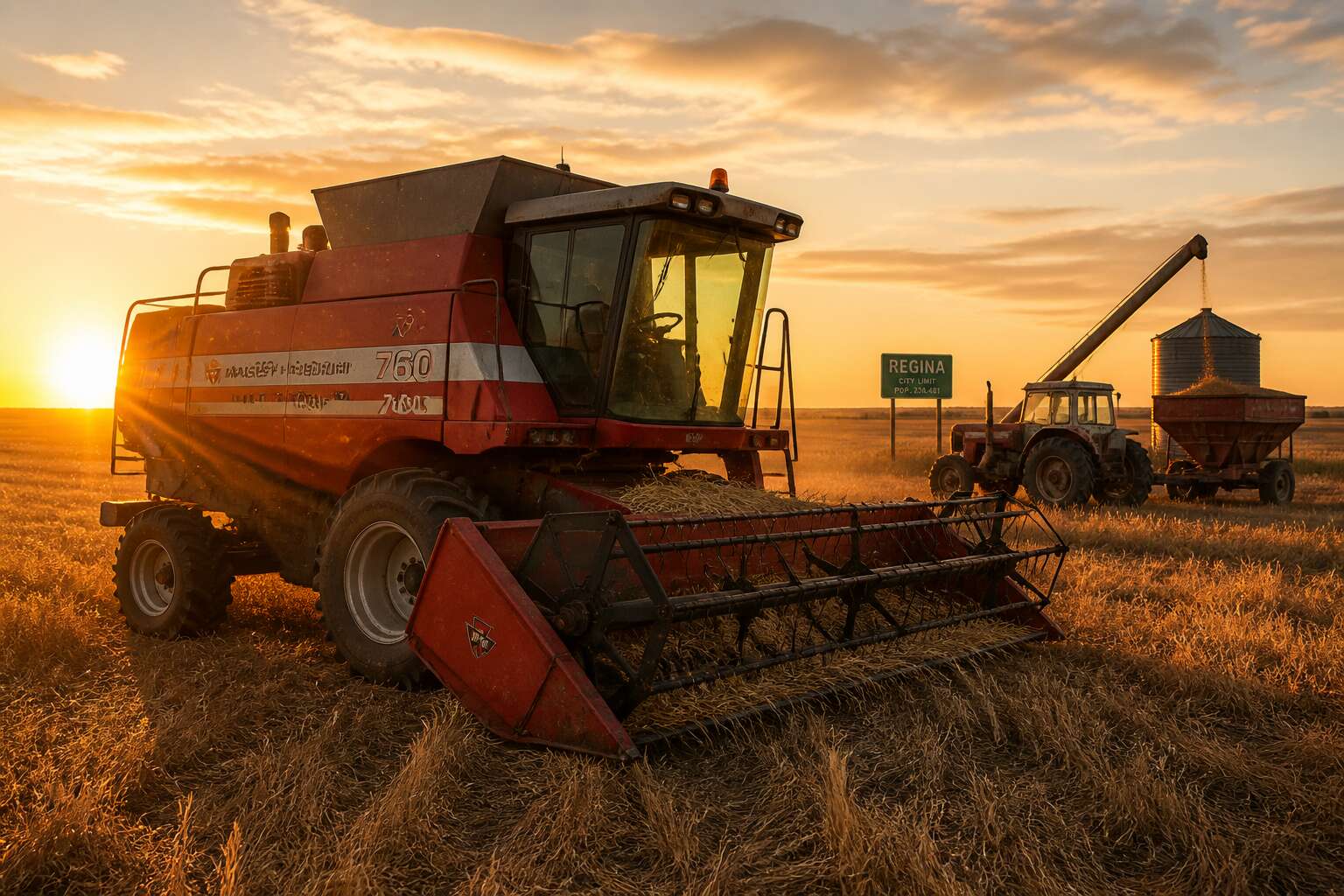
Assessing Local Market Dynamics
Regional Equipment Demand Patterns
A farmer in the North West might pay double for a used regina farm equipment unit compared to a neighbour in Limpopo. That gap emerges from local market dynamics, where regional equipment demand patterns follow rainfall and crop cycles. In South Africa, no single market exists.
Take the Free State maize belt. Prices for machinery peak right after harvest, when farmers have cash in hand. Meanwhile, the Western Cape sees slow trade until export contracts close. Auction results in Mpumalanga differ wildly from those in KwaZulu-Natal.
- Seasonal rainfall timing
- Provincial road quality
- Distance to auction houses
These variables create price variations. One tractor might sit for weeks, while an identical model sells within hours elsewhere. The regional signals are evident in auction data.
Price Fluctuations Across Seasons
Seasonality is the hidden hand that moves prices in South Africa’s used machinery market. A unit listed in March attracts a different bidder than the same unit listed in November, and the difference is timing, not condition. A farmer who watches the calendar can purchase the identical model for thousands less, simply by entering the market when sellers are desperate and buyers are scarce.
Take the Northern Cape’s table grape belt. When the harvest concludes, sellers offload equipment quickly, glutting the local market with inventory. Buyers who wait for this window often pay 15 to 20% less than mid-season rates. Nobody advertises this discount; the market simply reveals it through patience.
For those assessing local dynamics, watch for these seasonal signals:
1. Post-harvest listing surges that compress prices
2. Pre-planting demand spikes that inflate them
3. Tax year-end auctions that force distressed sales
Used regina farm equipment follows these rhythms faithfully. One month of waiting can change a quoted price by thousands of rand, because the buyer is scarce and the seller is not.
Key Dealers and Private Sellers
Nobody sells used regina farm equipment the same way twice. One dealer in Bredasdorp throws in a service plan. A private seller in Brits offers a cooler box and a story about the engine’s past life. Both deals can be good. Both can be traps.
Dealers pay for floor space, so their prices carry overhead. Private sellers skip that overhead, which is why their prices look better. The trick is knowing who you are bargaining with.
Assess the local market with these checks:
- Visit dealerships first to benchmark realistic prices.
- Then scout private listings to see what desperation looks like.
- Ask every seller for service records and ownership history.
- Inspect the tyres, the hoses, and the welds. Those tell the truth.
Rural price gaps between dealer and private stock run deep. Paying less is not a discount. It is a trade of risk for value.
Online Marketplaces Popular in Saskatchewan
Tracking used regina farm equipment across online marketplaces popular in Saskatchewan reveals rhythms you cannot see from a single dealership lot. I spend time on Kijiji, AgDealer, and local Facebook groups. The listing patterns change with season and weather. A sudden cluster of combines after harvest signals oversupply. A single tractor sitting for months hints at price stubbornness.
Assessing local market dynamics requires reading the listing language. Sellers who mention oil leaks or cracked axles are usually honest. Sellers who write only ‘runs great’ hide something. That contrast is your compass!
When I evaluate a marketplace, I follow a simple order:
- Check the upload date and price changes.
- Count listings per equipment category.
- Contact three sellers to measure response speed.
These steps turn raw data into market intelligence. They work for Saskatchewan farmers and for buyers in South Africa who track global equipment flows.
Evaluating Equipment Condition
Engine and Transmission Inspection
Half the battle with used Regina farm equipment is won before you even take a test drive. A cold engine start reveals more than the odometer ever could. Listen for rhythmic knocks, a ragged idle, or a puff of blue smoke. Then pull the dipstick and check for milky oil, which suggests coolant intrusion. That simple habit eliminates half the driveway mechanics from your consideration.
Transmissions demand equal scrutiny. Engage every gear, including the shuttle shifts and high range. A reluctant engagement often points to worn hydraulic clutches, while a groan in reverse signals deeper internal trouble.
- Inspect transmission fluid for metal shavings
- Smell for burnt friction material
- Test the clutch pedal for smooth travel
These checks turn a gamble into a reasoned choice. Evaluating engine and transmission condition properly ensures your used Regina farm equipment serves you rather than the other way around.
Hydraulic System Health
A hydraulic failure rarely announces itself with drama. It arrives as a sluggish loader arm, a whining pump, or a drift that forces constant correction. On used regina farm equipment, the hydraulic system is the delivery mechanism for every load-bearing function. Its condition reflects how the previous owner treated the entire machine.
Cycle the hydraulics through a full range of motion. Watch for jerking, hesitation, or droop. Inspect the reservoir: fluid should be clear and free of burnt odour. Aeration, indicated by frothy oil, points to a suction leak.
– Feel hoses for soft spots or bulges.
– Examine fittings for weeping around the crimps.
– Operate remote couplers under pressure to confirm they hold.
For used regina farm equipment, hydraulic integrity determines whether a bargain becomes a liability. A few minutes of patient observation now saves you from the ethical strain of selling a machine you know is failing.
Tire Wear and Undercarriage Integrity
Tire wear on used regina farm equipment carries history the owner might prefer to stay buried. A sharp, uneven tread edge suggests chronic misalignment. Cupping across the centre indicates pressure was never monitored. Run your palm around each sidewall. Dry rot cracks form fine lines that widen with every mile.
The undercarriage holds the machine’s true character. Walk beneath it. Look for fresh weld splatter, it conceals cracks that reappear under load. Bent tie rods and distorted axle flanges signal impact damage. Caked mud is an ally of concealment. Pry it loose, inspect the bare metal.
Check pivot pins for sag.
– Hoses that rub against frame rails
– Bolts with rust trails running downward
– Grease fittings that look freshly wiped but hold no fresh grease
These signs separate fair value from a costly discovery. Used regina farm equipment demands this scrutiny before any handshake.
Electrical and Wiring Diagnostics
Electrical faults often remain hidden during a quick walkaround. Used regina farm equipment can present a clean exterior while the wiring harness holds years of neglect. The battery terminals reveal maintenance habits. Blue-green corrosion there signals poor care and creates intermittent resistance. The main looms show more, especially where cables bend near pivots or frame edges. Those zones suffer the most stress.
A multimeter exposes voltage drops that casual observation cannot. Compare alternator output to the manufacturer specification with all loads engaged. Gauges may read normally while the system underperforms. Common trouble points include fuse boxes with discoloured plastic, relays that click but deliver no power, and wires joined with tape instead of proper splices. Each discovery shapes your offer. Used regina farm equipment with sound wiring earns a fair price, while a decaying harness drains both time and profit.
Operator Cab Comfort and Safety Features
Spend five minutes inside a worn operator cab and you will learn more than spec sheets offer. Comfort is a productivity factor. I have seen seats with collapsed bolsters and suspension that bottoms out on every ridge. A cracked windshield looks minor, but replacement glass for combines costs more than a semester of tuition.
Check the climate control system. Weak airflow in a Saskatchewan summer turns a long day into a grind. Heating elements that struggle in winter mean blocked cores or failing blower motors. Door seals matter too!
Consider these safety features when evaluating used regina farm equipment:
- Rollover protection structure and mounting integrity
- Seat belt retraction and latch function
- Visibility from the operator seat, including mirror range
- Lighting circuit operation for road travel
A cab that keeps an operator warm, cool, and protected adds value. Used regina farm equipment with a neglected interior shows the same indifference elsewhere.
Smart Purchase Strategies
Comparing Auction and Private Sales
The venue dictates the deal. Auctions sell used regina farm equipment under time pressure. Private sales move it through negotiation. Both paths demand steady judgment, but they reward different skills.
At auction, the gavel sets a deadline. You assess value in minutes, not days. Private sellers allow a second visit and a third opinion. When I purchase from another continent, I weigh:
- Whether the auction house permits international bidders
- If the seller supports export paperwork
- How exchange rates alter the final cost
Those factors matter more than the auctioneer’s chant. Private sellers often price used regina farm equipment with sentiment in the figure. Auctions remove that sentiment. For a buyer in South Africa, distance raises stakes. Inspection reports carry more weight than handshakes. Use the time between viewings to research the machine’s ownership history. Ask questions. Verify ownership, check serial numbers, and keep emotion out of the bid.
Effective Negotiation Tactics
The most seductive price on a listing is often the one that hides the most work. Sellers of used regina farm equipment know that a fresh coat of paint and a detailed description can shift attention away from a worn final drive or a tired hydraulic pump. Your first offer should never be a reaction to their asking price. It should be a response to the condition report, the service logs, and the hours logged on the engine.
When you find a machine that passes your preliminary checks, the conversation changes. The seller expects a counteroffer, but they do not expect you to have a firm number based on component costs. I find that breaking down the potential repairs, even if you do not plan to make them, shifts the negotiation from a matter of pride to a matter of arithmetic. For a South African buyer, this is critical because the distance adds a layer of risk that the seller does not feel.
– Ask for the maintenance records before you discuss price.
– Request a live video walkaround to verify the hour meter and gauges.
– Confirm whether the current tires are included in the sale.
The seller of used regina farm equipment might argue that their price reflects the local market in Saskatchewan. You can acknowledge that point while noting that your market in South Africa demands a different calculation for freight and import duties. This is not a confrontation. It is a statement of fact that aligns your interests. When the seller sees that you are serious about the logistics and the paperwork, they often become more flexible on the figures that matter to you.
Understanding Warranty and Return Policies
The warranty on used regina farm equipment is often a map of the seller’s doubts. A 30 day parts guarantee sounds generous until you read the clause that excludes travel time. For a South African buyer, the machine spends three weeks at sea, so the warranty expires before you even start the engine. I have learned to treat the return policy as the real test of trust.
Ask for a written return clause that starts upon delivery in South Africa, not the date of the invoice. Many sellers refuse, but that refusal tells you more than the paint does. If they offer a warranty instead, clarify who pays for the return freight.
- The return clause must cover customs clearance delays.
- The seller must accept a port inspection report as proof of damage.
- The refund should include any import duties you paid.
Sellers of used regina farm equipment know that shipping back is impractical, so they avoid return policies altogether. Your strategy is to use a holdback amount that covers expected repairs. That gives you a practical return, not a legal one.
Verifying Ownership and Maintenance Records
You can tell a lot about used regina farm equipment from its service log, provided the log hasn’t been doctored. I once inspected a tractor with records so clean they were unnatural. Real machines leak oil, and real owners scribble notes about leaking oil.
Verify ownership by running the chassis number through the SAPS database. A clean report does not guarantee the seller owns it, so request the original invoice and compare names. Then contact the previous owner directly. Ask how many hours the hydraulic system has seen and whether the transmission ever whined.
- Serial plates that show signs of removal
- Service entries in handwriting matching the seller’s
- A maintenance schedule that skips the engine rebuild
If the paperwork appears fabricated, walk away. The price should reflect documented history, not a hopeful anecdote.
Financial Planning and Options
Traditional Bank Financing
The ledger of a farm operation tells a story that no soil sample can reveal. When purchasing used regina farm equipment, the numbers often whisper of harvests yet to come. Traditional bank financing remains the most predictable path, though it demands collateral and a patience for paperwork. But there are other avenues, each with its own shadows.
Consider these structures:
– Operating lines of credit
– Term loans secured against the machinery
– Leasing arrangements through dealer networks
Each option carries a different weight. A banker will scrutinize your cash flow, your land, and your history, but the loan itself can be structured to match the equipment’s lifespan. The key is to align repayment terms with the seasonal income cycle, because winter waits for no one. Financing used regina farm equipment becomes less about the interest rate and more about the timing of the grain cheque itself.
Dealer-Specific Loan Programs
Dealer specific loan programs often carry terms that traditional banks cannot match. These programs are tied to the machinery itself, not your entire balance sheet. For used regina farm equipment, dealers may offer reduced rates during slow seasons or bundle servicing into the payment. That changes the planning equation entirely.
Before signing, consider what the dealer actually controls. They can adjust the down payment, the buyout, and the trade in value. Some programs even allow skip payments during drought years.
- Deferred principal until first harvest
- Seasonal payment schedules
- In house approval with local credit unions
Each option shifts risk in a different direction. Align those shifts with your cash flow cycle. The real cost of used regina farm equipment depends on these hidden scheduling choices, not just the sticker price.
Leasing Versus Outright Purchase
In the quiet arithmetic of the farm ledger, the choice between leasing and outright purchase is a decision that shapes the season. For many, the capital outlay for used regina farm equipment feels like a weight before the harvest even begins. Leasing offers a way to preserve that precious operating cash, allowing a producer to allocate funds to seed, fuel, and labor. It is a tool for flexibility, especially when the soil moisture is uncertain and the forecast offers no promises.
Outright purchase, however, builds equity. That metal in the shed is an asset, a piece of security that a lease agreement never provides. When you own the machine, the monthly pressure disappears. You answer only to the maintenance schedule, not a payment book. Yet, that initial cash drain can be severe.
The structure of a lease can be tailored to the rhythm of your farm. Payments can be scheduled around the grain cycle, not the calendar.
– Lower initial capital requirement
– Potential tax advantages depending on your structure
– The ability to upgrade to newer models more frequently
The decision is not about which option is objectively better. It is about which risk you can carry. If your operation values liquidity and adaptability, the lease path holds merit. If stability and long term ownership matter more, buying the used regina farm equipment is the route that builds a legacy. Look at your balance sheet and the coming year’s rainfall predictions, then choose the burden that fits your back.
Tax Incentives and Depreciation Benefits
Nothing makes a balance sheet look friendlier than a tax break. Used regina farm equipment attracts capital allowances that new machinery often cannot match. The depreciation schedule on a pre owned unit is already modest, so the annual write off stays predictable. Your accountant will appreciate that. I know mine does.
Depreciation benefits do more than reduce taxable income. They give you a reason to upgrade without guilt. Sell the old unit, claim the remaining allowance, and move on.
- Capital allowances spread over a few years
- Possible deductions for repairs and maintenance
- Better cash flow during lean seasons
The rules vary depending on your business structure and location. A local advisor can offer specifics. Just bring the receipt and a clear head.
Budgeting for Hidden Costs
Budgets for used regina farm equipment rarely survive contact with reality. Purchase price is only the beginning. Freight from Regina to South African ports, plus customs duties and harbour fees, can inflate the total by thirty percent. These costs surface after the deposit is paid.
You must also calculate the time value of money. A machine held in port for clearance still ties up capital. Do not overlook retrieval logistics. The transport from the coast to your inland farm adds another layer of expense.
- Import VAT and clearance surcharges
- Container offloading and inland haulage
- Insurance premiums during transit
Create a separate fund for immediate servicing. A pre owned unit often needs new filters, hoses, and seal replacements. These small items accumulate quickly. More importantly, consider downtime costs. Every day the implement is non operational is a day of lost productivity. Plan for a buffer of at least fifteen percent above the sticker price. That buffer is a necessary reserve, not an optional extra.
Post-Purchase Support and Value
Accessing Replacement Parts Locally
Buying used Regina farm equipment feels triumphant until a splitter valve gives out on a Tuesday. Post-purchase support separates a good deal from a costly paperweight. Local sellers who answer service calls after the sale are worth their weight in prairie gold. Replacement parts become the lifeline, and Saskatchewan’s independent salvage yards often stock items that dealers backorder for weeks.
Cross-referencing parts across brands saves both time and money. A hydraulic fitting for a John Deere might match a Case model perfectly. Seek out suppliers who let you inspect components before paying. Common sources include:
- Farm equipment recyclers with searchable inventories
- Bearing and drivetrain specialists in rural towns
- Online classifieds where farmers unload used spares
Ask blunt questions about return policies and core charges. The used Regina farm equipment market rewards buyers who verify support before signing. One phone call to a parts expert can prevent three weeks of downtime, so make that call before you trailer anything home.
Service Contracts and Maintenance Plans
Nobody buys used Regina farm equipment expecting perfection. Post-purchase support is where the real relationship begins. A service contract with scheduled inspections and priority callouts can keep a temperamental combine running through harvest. In South Africa, where dealer networks are thinner, those agreements matter more.
A maintenance plan covers:
- Seasonal fluid and filter changes
- Hydraulic pressure and leak testing
- Belt and chain tension adjustments
Some dealers tier plans by engine hours. Others offer flat annual pricing. The better contracts include telematics alerts, so a failing sensor gets flagged before it strands you in the field.
Ask how many technicians actually service your model. A dealer who sells used Regina farm equipment but outsources repairs adds days to every breakdown. Verify response windows and penalty clauses. The worst maintenance plan reads well at purchase and vanishes at harvest.
Resale Potential and Depreciation
The support you secure today shapes the price you command tomorrow. Used Regina farm equipment with a documented service history and responsive dealer backup depreciates slower than a machine bought on trust alone. In South Africa, where import costs and currency swings distort the market, that gap widens further.
Buyers often ask about hours and tyre tread. They rarely ask about the support network behind the unit. That is a mistake. A combine with a local technician who knows its quirks holds value better than a pristine machine nobody can repair.
Depreciation on used Regina farm equipment is not linear. The steepest drop happens in the first ownership cycle. After that, the curve flattens, but only if the machine keeps earning its keep. A broken harvester during harvest loses income and reputation, and both affect the next offer.
Seasonal Storage Recommendations
Buying used Regina farm equipment is not the final step. The support network behind it decides whether that machine works for years or drains your savings. In South Africa, find a dealer who answers after hours. Someone who knows the quirks of your specific model. That backup alone slows depreciation.
Seasonal storage deserves the same care. Park your combine after harvest and neglect it, and you will pay. Clean every seed pocket. A leftover kernel feeds rodents all winter. Keep the battery on a trickle charger and lift the tyres off the ground. Add stabiliser to the fuel system. Do this:
- Run the engine with treated fuel for ten minutes.
- Grease each fitting until fresh grease appears.
- Block the exhaust and air intake openings.
That routine takes an afternoon. It keeps your used Regina farm equipment ready for spring and preserves its resale value.

0 Comments