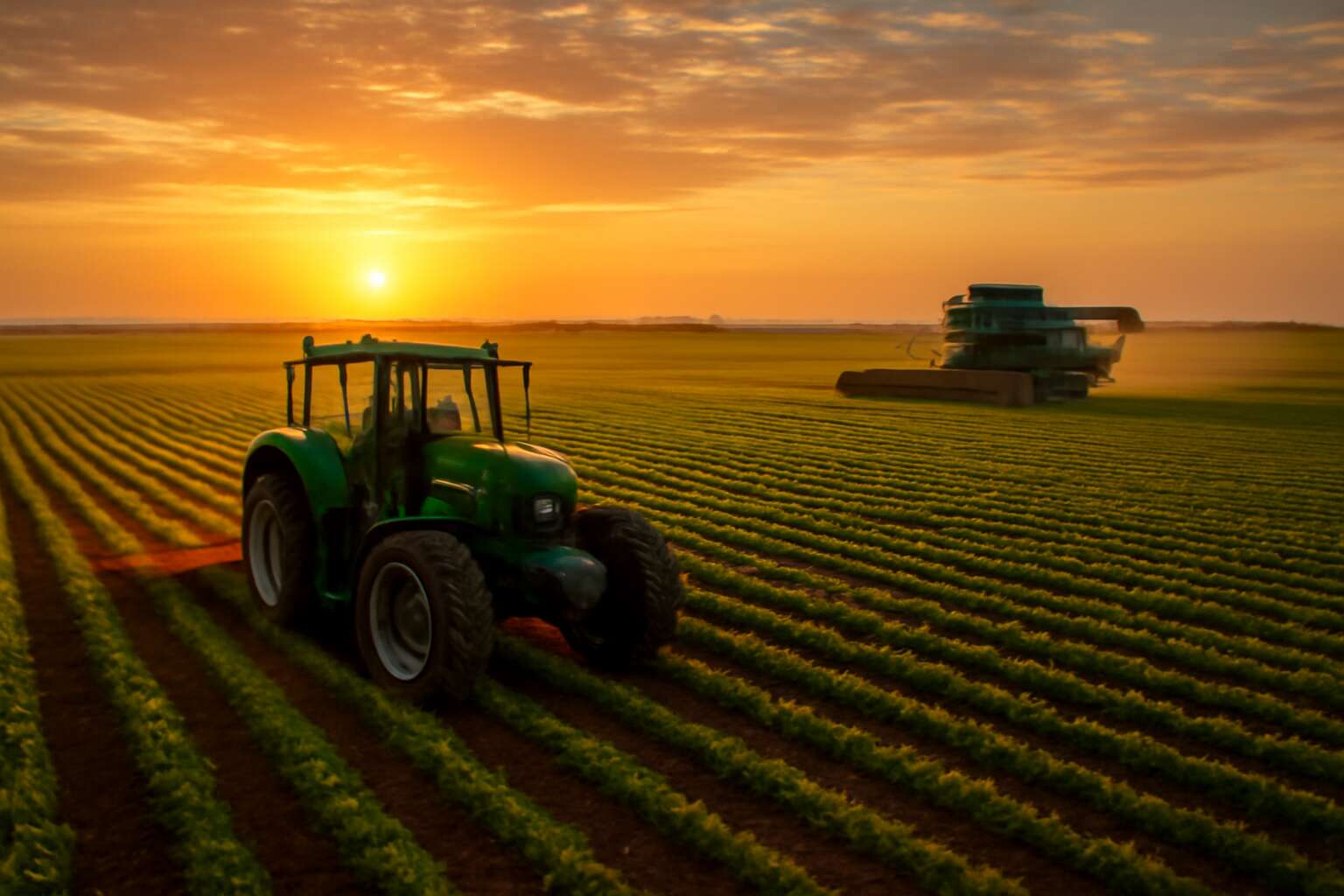
Sectors and operations deploying farm equipment
Crop production and field maintenance
Across South Africa, the hum of tractors signals resilience and progress. A seasoned grower reminds us that harvests hinge on careful soil stewardship and precise seed placement. This is where farm equipment is used to prepare beds and plant with quiet purpose.
In crop production, planters, seeders, and sprayers synchronize with maize, citrus, and vineyards. They deliver uniform depth, even moisture, and targeted protection, turning field corners into reliable yields.
- Precision planting
- Localized pesticide and nutrient applications
Field maintenance keeps the landscape orderly: mowers trim borders, irrigation lines are checked, and weed control practices guard soil structure. Machinery adapts to seasons, from scorching summers to cool harvests.
South Africa’s diverse climates demand adaptable equipment that can brave highveld heat, coastal humidity, and arid Karoo pockets with grace and grit. This is the living choreography of modern farming!
Row crops harvesting and post-harvest handling
Across South Africa’s vast fields, timing is currency—when harvest windows align, losses shrink and margins widen. Sectors and operations deploying farm equipment reveal a living map of modern agriculture, where careful planning meets sturdy steel and the air hums with purpose! The field itself seems to breathe in ratio and rhythm.
Across these sectors, where farm equipment is used, row crops harvesting and post-harvest handling unfold like a choreographed breeze. Maize and beans glide beneath tailored headers, while conveyors cradle the quiet weight of the day’s yield. A simple cadence follows, guided by moisture and method.
- Harvesting with moisture-tuned headers for maize and beans
- On-field grading and cleaning to reduce losses
- Cool-chain ready packaging and transport handoff
From sun-scorched plains to the cool highland air, South Africa’s landscapes demand gear that dances with the weather. The harvest choreography—steel meeting soil, sky meeting sequence—tells a durable tale of resilience and care.
Irrigation and water management on farms
In South Africa’s drought-prone plains, irrigation isn’t a luxury—it’s the difference between a decent harvest and a wasted season. The choice of gear, from solar pumps to drip lines, shapes every farm’s fate.
Across sectors such as horticulture, citrus, vegetables, and pasture, where farm equipment is used to move and monitor water, the irrigation landscape is as diverse as the crops.
- Drip irrigation networks delivering precise water at the root zone
- Center-pivot and linear-move sprinklers for large fields
- Soil moisture probes and weather-based controllers
- Submersible and surface pumps powered by grid or solar
Farmers balance rainfall forecasts, soil types, and crop stages; water reuse through canals and storage, and smart controls reduce waste. The machinery ecosystem—pumps, valves, sensors, and filtration—keeps fields alive through heat and drought.
From policy debates to practical budgets, irrigation decisions shape both regional water security and farm livelihoods, reminding SA that water management is as political as it is practical.
Soil conservation and tillage equipment
South Africa’s soils aren’t just dirt—they’re the bank account. An ag economist quips that soil health is 60% of a farmer’s ROI, and that makes soil-conserving tillage feel like a wise investment. This is where farm equipment is used to tame soil, manage residues, and prep precise seedbeds across hillside vineyards, citrus blocks, and broad maize belts.
- Chisel ploughs and field cultivators for deep loosening with minimal surface disruption
- Disc harrows and press wheels to shape final seedbeds
- No-till drills and planters that place seeds with crop residue intact
- Subsoilers and ripper tines to break hardpan and improve drainage
Across sectors and operations, soil conservation and tillage equipment keeps fields resilient, protecting topsoil on slopes, reviving compacted patches, and setting up beds for the next season. From arable paddocks to orchard floors and pasture renovation, the equipment footprint helps SA farming ride out droughts with grit and a touch of humour.
Livestock and ranching operations
Automated feeding systems for large herds
On South Africa’s wide plains, a quiet revolution feeds the herd. More ranches now embrace automated feeding to cut labor and tailor rations, turning tradition into precise, dependable practice. This is where farm equipment is used to transform instinct into measurable efficiency. I have seen it transform the veld.
Automated feeding systems for large herds blend timed troughs, scales, and smart controllers. They dispense measured portions, log each meal, and alert managers to anomalies. Quiet motors keep the rhythm steady from sunrise to dusk.
- Timely trough dosing
- Weight-based rationing
- Remote dashboards
Livestock handling and transport equipment
Across South Africa’s sunlit plains, careful livestock handling has become a quiet art that speeds moving stock and eases the crews. In many farms, efficient handling regimes cut stress and speed weigh-ins at the yards by a noticeable margin. This is where farm equipment is used to turn instinct into measured care!
Livestock handling and transport equipment ranges from sturdy cattle yards and hydraulic squeezes to mobile loading ramps and vet-approved halters. I’ve watched the goal unfold: smooth transitions—gentle containment, accurate movement, and safer journeys from paddock to pen, to trailer, to market.
- Well-calibrated cattle chutes and headgates
- Portable ramps that handle rough SA roads
- Electronic tagging and load-scale integration
A final note: on a ranch, the right gear is a partner in the day’s rhythm, turning routine into reliable performance.
Pasture management and fencing solutions
Sunrise over the savanna backdrop of South Africa reveals a quiet arithmetic: fences, paddocks, and the wagging of the herd are balanced by careful planning. “The fence is the line between chaos and calm,” a veteran rancher once told me, and the truth sticks. Pasture management shapes where farm equipment is used to map grazing pressure, rest paddocks, and extend seasonal feed.
Ranching operations thrive when fencing solutions respect animal temperament and terrain. The right system—adjustable gates, electric wires with solar charge, portable panels—translates scattered cattle chatter into orderly movement and steady forage utilization.
- Rotational grazing plans
- Electric fencing with solar power
- Mobile fencing panels
Introspection: The day-to-day rhythm of stock, pasture, and fence becomes a moral practice—careful stewardship of land and life, where humane handling and durable equipment carry the quiet weight of responsibility.
Manure management and waste handling machinery
South Africa’s cattle yards keep a stubborn rhythm—hoofbeats, rain, and the arithmetic of waste. A veteran stockman quips that waste isn’t trash; it’s fertilizer with a high‑visibility vest. In livestock and ranching operations, the right manure management plan turns churned slurry into soil gold and saves fuel and manpower as surely as a sturdy fence saves a bad day.
- manure spreaders delivering even, controlled application
- slurry pumps moving liquid manure without heavy lifting
- compact digesters or windrow composters turning waste into heat and humus
From the feedlot corner to the compost heap, the equipment operates quietly in the wings—biosecurity‑minded and fuel‑efficient, turning waste management into a measurable asset. It’s all about where farm equipment is used, showing up in cleanliness, compliance, and feed‑out reliability.
Urban farming and controlled environments
Compact space urban farming equipment
Cities pulse with a green heartbeat as urban farms sprout on balconies, rooftops, and overlooked courtyards. In controlled environments, compact space urban farming equipment turns small plots into bountiful harvests. People often ask where farm equipment is used, and the answer blooms in crisp lettuce and bright herbs thriving beneath careful climate control across South Africa.
These spaces rely on space-efficient gear that feels almost magical in a city kitchen:
- Vertical hydroponic racks
- LED grow lights tuned to local daylength
- Climate sensors and automated irrigation
- Compact nutrient delivery systems
- Smart venting and air circulation
Its charm lies in how these devices respect cramped corners yet invite a harvest of flavor and hope!
Greenhouse climate control and automation
South Africa’s rooftops and backyards have learned to whisper to climate: urban green spaces can increase yields by up to 40% when the greenhouse is tuned to season and sun. I watch the margins brighten as days lengthen.
In urban farming, where greenhouse climate control and automation replace guesswork with gentleness, the air becomes a living instrument. Temperature, humidity, and light are choreographed by sensors and smart controllers, turning everyday corners into productive sanctuaries. In South Africa, where farm equipment is used, compact spaces bloom with crisp lettuce and fragrant herbs beneath even light-poor winter skies.
- Zoned environmental management for day-night cycles
- CO2 enrichment strategies
- Energy-efficient, spectrum-tailored lighting plans
This fusion of craft and circuitry invites growers to choreograph harvests with elegance and efficiency!
Hydroponics and vertical farming technologies
Cities hum with green ladders; urban farms lift yields when light, water, and nutrients harmonize. In South Africa, rooftops and compact lots prove that even shadowed corners can yield crisp lettuce and fragrant herbs. In these micro-orchards, growth is not left to chance—where farm equipment is used to choreograph life, and the share of sunlight becomes a measured chorus.
Hydroponics and vertical farming technologies turn walls and windowsills into laboratories of precision.
- smart sensors for temperature, humidity, and nutrient levels
- vertical racks and automated irrigation
- LED spectrum-tailored lighting and dimming
- recycled water loops and energy-efficient pumps
From Cape Town’s skylines to Joburg’s glass towers, these systems invite growers to choreograph harvests with elegance and efficiency.
Community garden equipment and small-scale setups
‘We grow where space is a conversation,’ a Cape Town urban farmer likes to say. Urban farming isn’t a novelty—it’s reshaping streetscapes, with compact plots feeding schools, streets, and neighbours. In South Africa’s cities, rooftops, carparks, and backyards become productive spaces where farm equipment is used to choreograph life in tight confines.
Community gardens rely on accessible tools that keep small plots productive:
- raised beds and portable planters
- hand tools and wheelbarrows
- compost systems and seedling trays
- drip irrigation spigots and flexible hoses
Small-scale urban setups emphasize sustainability and empowerment. From dawn to dusk, volunteers and resident growers use simple rhythms—lifting, watering, pruning—to turn overlooked corners into edible landscapes. This is the heart of urban environments, blending practicality with civic pride.
Industrial-scale farming and processing facilities
Tractors and precision tillage implements for large fields
In South Africa’s expansive agricultural landscapes, efficiency isn’t optional—it’s currency. The sharpest producers know that where farm equipment is used, profits follow the rhythm of every pass.
Industrial-scale farming and processing facilities rely on tractors and precision tillage implements for large fields. They prep soil, plant with exact spacing, and feed the chain from field to factory without missing a beat.
- Boosted field-to-factory throughput with fewer field delays
- Sharper tillage precision reduces soil disruption and weed pressure
- Seamless equipment integration for batch processing workflows
In SA, this is how the landscape scales from field to fork.
Harvesting combines and cereal processing equipment
Across South Africa’s grain belts, time is money, measured by the chain of passes that feed the next mill. A single harvest season can redefine throughput, and the clock often wins. “Efficiency is the heartbeat of the field,” a veteran agronomist once told me, and it resonates in every bale. In this landscape, where farm equipment is used, momentum matters more than luck.
Industrial-scale farming and processing facilities rely on harvesting combines and cereal processing equipment to ferry grain from field to factory with minimal delay.
- Harvest timing and fast unloading
- Clean grain handling and drying
- Efficient milling and packaging lines
From the combine’s harvest to the mill’s final grind, the system is a relay race, precise and inexorable.
Post-harvest handling lines and storage solutions
Across South Africa’s grain belts, every hour saved in post-harvest handling translates to a mountain of grain protected. A recent study shows losses drop by up to 15% when speed and care are synchronized during drying and cleaning. “Efficiency is the heartbeat of the field,” a veteran farmer once told me—and you hear it in the quiet rhythm of the handling lines.
Post-harvest handling lines and storage solutions are built to preserve every kernel: drying towers, cleaners, aeration floors, silos, and conveyors—machines that steady the flow from shed to silo. This is where farm equipment is used to ferry grain from shed to silos, then toward packing lines, with moisture, temperature, and airflow kept in precise check.
Like the early morning lights over the silos, it is a story of endurance and care.
Conveyors, drying, and packaging equipment
Industrial-scale farming moves on a rhythm of belt and breath. A 12% uplift in daily throughput is not fantasy when belt speeds and airflow are tuned in concert. A veteran handler once whispered, “Speed without care is noise; care without speed is loss.”
Across sprawling processing facilities, conveyors link intake, dryers, and packaging lines with surgical precision. Drying systems hold moisture and temperature in check, while advanced sensors monitor grain flow, reducing damage and rework. In this arena, where farm equipment is used, consistency is the quiet conductor of quality.
- Conveyors that shuttle grain from receiving bays through sorting and cleaning
- Drying towers and humidity-controlled chambers that stabilize moisture
- Packaging lines and palletizing stations prepared for dispatch
In these vast facilities, technology and tenacity meet to safeguard every kernel on the journey to market.
Fleet maintenance and on-farm logistics
In industrial-scale farming, uptime is the currency—the drumbeat that keeps combines humming and grain moving from field to fork. A seasoned SA handler quips, “If the truck ain’t rolling, the pantry ain’t filling.” That line captures the truth: where farm equipment is used stretches from field lanes to processing yards and dispatch hubs, all orchestrated to keep throughput steady and margins sane.
Fleet maintenance and on-farm logistics are the quiet gears behind the spectacle. Vehicles, trailers, and support gear glide between silos, transfer points, and warehousing, guided by telematics, trained operators, and disciplined service cycles that minimize breakdowns and maximize throughput.
- Preventive maintenance scheduling
- Real-time asset tracking and route optimization
- Spare parts, fuel, and depot management
That’s the backbone of modern harvest, and it hums in silence.

0 Comments