Evaluating Local Agricultural Machinery Inventory
Identifying the Most Sought-After Tractor Brands in the Buckeye State
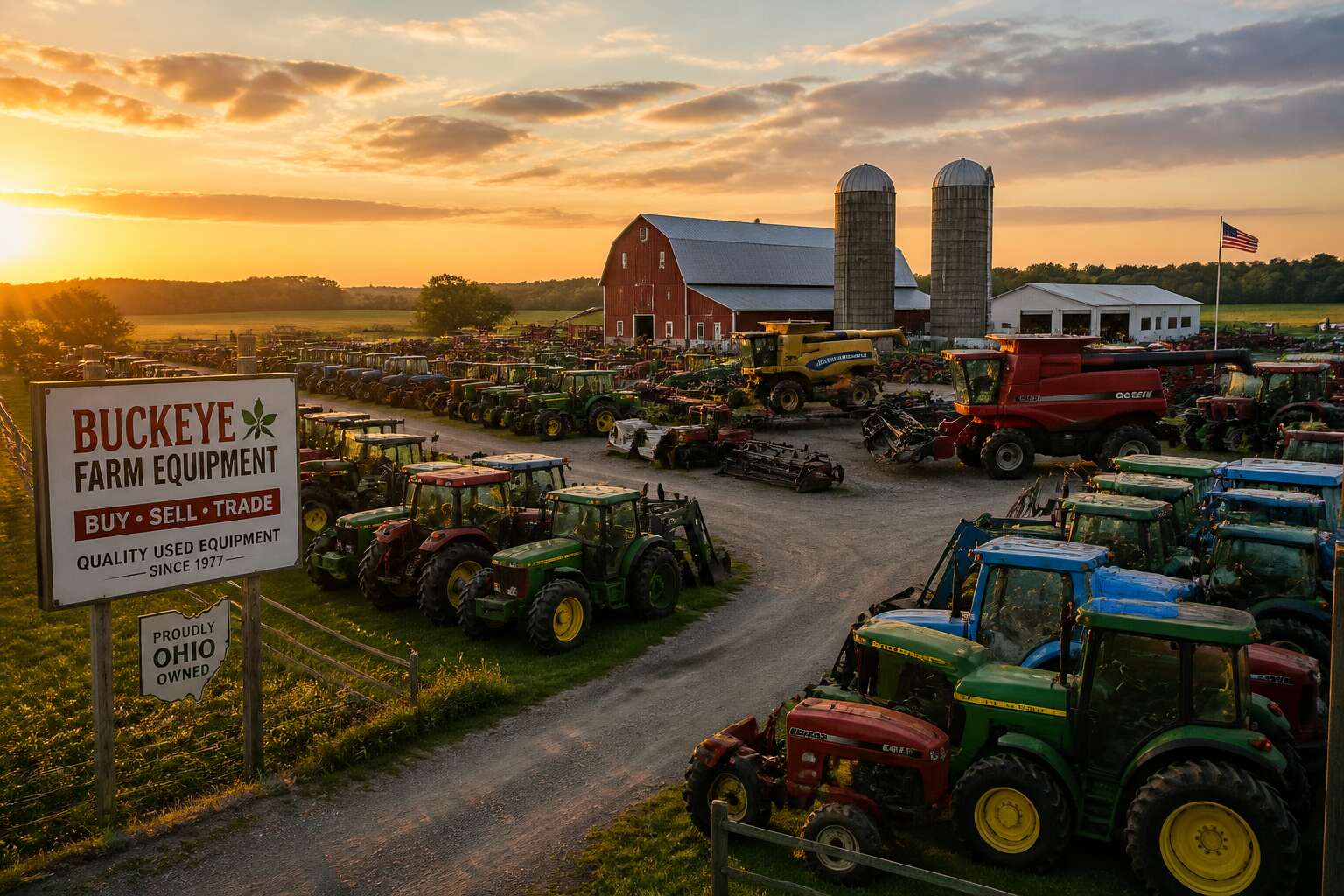
A dealership’s lot often tells a story before you even step out of the truck. The arrangement of iron and steel, the depth of dust on a cab window, these are immediate indicators of how a business manages its assets. When you are scouting for used farm equipment dealers in ohio, the physical state of the inventory offers the first clue about the integrity of the operation. High turnover locations usually move lesser-condition units quickly, but the remaining stock can reveal a lot about their sourcing standards.
You need to separate the wheat from the chaff, figuratively speaking. The most prudent approach is to inspect the maintenance records and the undercarriages, not just the shiny sheet metal. A machine that has spent its life in a dry shed versus one that sat in a field for two winters will have vastly different wear patterns. When you find a unit that piques your interest, you should dig into the specifics of its service history.
Beyond the overall condition, the market in Ohio has a clear hierarchy of brand desirability. Farmers in the Buckeye State gravitate toward proven workhorses that hold their resale value and have accessible parts networks. While preferences vary by operation size, certain names consistently dominate the resale market.
– John Deere: Always in demand for its longevity and dealer support network.
– Case IH: Popular for high-horsepower applications and robust chassis designs.
– New Holland: Frequently sought for its comfortable cabs and reliable engine platforms.
Recognizing these preferences helps you prioritize which lots to visit first. A dealer who carries a balanced selection of these brands likely understands regional demand. However, the true test is how they handle the negotiation on a high-ticket combine or a compact utility tractor. The right dealer will be transparent about hours and known defects. Look for a used farm equipment dealers in ohio that provides a clear history, because that transparency reduces your risk significantly. Ultimately, your goal is to find a machine that fits your specific acreage and soil conditions, not just a good price. Reputation is built on the after-sale support, so ask for references before you finalize anything.
Exploring Specialized Implements for Corn, Soybean, and Dairy Operations
Investing in a commodity that must survive harvest season demands more than a handshake. Walking through a dealer’s yard in Ohio, you notice the implements that actually feed the nation. A planter’s seed meter accuracy beats a fresh coat of paint. I have seen farmers inspect a forage harvester’s cutterhead with the precision of a surgeon. That vigilance uncovers hidden wear.
For specialized crops, local inventory tells the story:
- Row crop cultivators for corn ground
- Draper headers for soybean fields
- Manure spreaders for dairy operations
Evaluating field hours alongside engine hours reveals the true condition. The dealer who shows you the grain tank’s internal corrosion earns your trust. Searching used farm equipment dealers in ohio with regional expertise ensures the machine matches your soil and herd needs.
Assessing the Availability of Compact and High-Horsepower Models
You can judge a dealer’s soul by how many compact tractors they hide behind the big rigs. In Ohio, where fields stretch like stubborn opinions, the high-horsepower machines steal the show. But the smart money examines the 40 horsepower oddballs, because those little workhorses reveal whether the dealer actually services what they sell. Used farm equipment dealers in ohio with a balanced inventory, not merely a row of gleaming giants, understand this. I once watched a farmer test a compact model’s hydraulic fluid by sniffing the dipstick. That tells you more than any spec sheet.
For assessing local inventory, you want:
– A spread of chassis sizes, from nimble orchard tykes to row crop titans
– Access to maintenance logs, not just polished sheet metal
– Knowledge of which models match your acreage’s turning radius
High-horsepower models demand scrutiny of cooling systems, while compacts hide wear in their PTO shafts. Walk the yard, not the showroom. The dealer who lets you crawl under both earns your patience.
Comparing Recent Arrivals Against Long-Standing Stock
Age reveals character in a machine yard. A dealer who keeps a 1979 International Harvester beside a 2023 model with 40 hours invites real comparisons. That older machine teaches you about rebuild quality, while the newer unit shows modern engineering. Used farm equipment dealers in ohio often park recent arrivals at the front, yet the rear lot tells the honest story.
When I inspect inventory, I look for:
- Machines with original paint versus fresh repaints
- Hour meters that match wear on pedals and levers
- Fastener condition, rusted versus recently torqued
The juxtaposition matters. A long-standing stock piece with a maintenance log proves the dealer’s commitment. Recent arrivals, by contrast, reveal how quickly they turn inventory. Walking both sections gives you the complete picture.
Comparing Pricing and Financing Approaches
Understanding Market Value Benchmarks for Pre-Owned Machinery
The price of a pre-owned combine or tractor rarely reflects a simple calculation of age and hours. In Ohio, the market value is often shaped by the regional appetite for specific horsepower bands and the local prevalence of certain tillage practices. A savvy buyer compares dealer quotes against state auction results, not national averages, because the Buckeye State’s specific soil types create distinct depreciation curves.
Financing approaches differ vastly among used farm equipment dealers in ohio. Some operations extend their own credit, while others rely on established agricultural lenders, which affects the final price you negotiate. Dealers carrying their own paper might offer a lower sticker price but offset it with a steeper interest rate. The more favorable path often depends on your existing banking relationship and the age of the machinery you plan to finance.
Consider the factors that influence a dealer’s willingness to negotiate on price:
– The number of similar units sitting on their lot without a buyer.
– The dealer’s current inventory cost and their need to move capital.
– The availability of factory-backed warranties on pre-owned models.
Understanding these benchmarks requires a visit to the lot. You must assess the service capacity of the dealership, because a compact model and a four-wheel-drive articulated unit have wildly different maintenance costs. The long-term value of a machine is tied to the dealer’s ability to supply parts for it long after the sale is done. A lower purchase price on a less common model can become a false economy if the dealer lacks the support network to keep it running through a planting season. The true financial picture emerges only when you blend the purchase price with the anticipated cost of ownership and the strength of the dealer’s ongoing commitment to the region.
Negotiating Strategies for Ohio’s Competitive Farm Economy
Negotiating with used farm equipment dealers in ohio requires patience and a healthy tolerance for back-and-forth. The dealer who quotes you a price on Monday might offer a better price by Thursday if another unit arrives from auction. Financing has its own theatrical flair. Some dealerships push in-house credit because they earn a spread on the interest, a lower sticker price can vanish into a steeper monthly payment.
Before you haggle, consider what shapes a dealer’s flexibility:
- How long the unit has sat unsold on the lot.
- Whether the dealer has a floorplan payment due at month end.
- The presence of factory warranty protection on the machine.
Dealers holding paper on an older combine face different pressures than those moving late-model tractors. When you compare financing packages, look at the annual percentage rate, not just the payment amount. Plenty of used farm equipment dealers in ohio will match an outside lender’s rate to close the sale.
Exploring Local Lender Partnerships and Agricultural Credit Programs
Around 40% of Ohio farm machinery purchases involve some form of financing, yet most buyers only compare the monthly payment. That number hides the real cost. A difference of two percentage points on a $180,000 tractor adds up to thousands over the loan term. Some used farm equipment dealers in ohio will offer a competitive price, then steer you toward their in-house finance arm. The dealer earns a commission on that interest margin.
Local lender partnerships change the equation. Farm credit associations in the region understand the cyclical nature of crop income. They structure payments around harvest cash flow. Agricultural credit programs from the USDA also offer guarantees that reduce the bank’s risk, which often translates into a lower rate for you. A dealer who works with these programs can present a package that beats his own house rate.
When you compare offers, look at these details:
– The annual percentage rate, not the payment amount
– Whether the note is secured against the machine or your land
– How the dealer’s floorplan costs influence his urgency to sell
The dealer who holds paper on a combine for 90 days faces different pressure than one who flips units within a week. Understanding that pressure gives you leverage.
Factoring in Transport, Maintenance, and Resale Costs
Transport costs can shift the true price of a machine by thousands. A loader advertised at a fair price from a dealer three counties away may lose its appeal once you calculate haulage. Used farm equipment dealers in ohio often quote prices without delivery, and that omission can disguise an otherwise reasonable deal.
Maintenance history carries equal weight. Two identical combines with similar hours can differ by R150,000 in resale value based on service records alone. Ask for maintenance logs before you discuss financing. Resale projections matter too, since the next buyer will apply the same scrutiny you are applying now.
Consider these cost factors when comparing offers:
- Transport distance and haulage fees
- Maintenance records and part availability
- Projected resale value after five seasons
Verifying Equipment Condition and Operational History
Reading Hour Meters, Service Logs, and Maintenance Records
A salesman will tell you a machine looks clean, but the hour meter holds the first truth. Used farm equipment dealers in Ohio often display units with thousands of hours on the clock, and those digits only matter when weighed against the service log. A tractor that has run 6,000 hours with documented oil changes can outperform a low-hour unit that went neglected.
Ask for the maintenance record covering every filter change, fluid swap, and hydraulic repair. Look for entries that mention injectors, clutches, or final drives. That paper trail reveals how the previous owner treated the machinery. When the logbook shows consistent intervals, you can trust the hours you see.
Inspecting Undercarriage, Hydraulics, and Tire Wear for Field Readiness
When you visit a used farm equipment dealers in ohio lot, physical details guide your inspection. I have crouched beside machines and inspected oil residue around hydraulic fittings. That residue often reveals leaks that pressure tests miss. Track undercarriage needs attention. Look for excessive slack in chains and visible scoring on pins. Those signs mean worn bushings. Hydraulic hoses should give slightly when pressed; hard, cracked rubber will fail in the field. Tire tread depth matters, but so does pattern. One worn shoulder indicates alignment issues.
- Track pads with worn edges
- Hydraulic cylinder rods shown scratches
- Sidewall bulges
These items decide whether your machine works for you or against you. Used farm equipment dealers in ohio may advertise low hours, but field readiness comes from a complete inspection. A five-minute walk-around prevents a season of downtime.
Using Dealer Demo Days to Stress-Test Engine Performance
Dealer demo days stress-test a machine beyond idle. I have spent afternoons cycling a tractor through full throttle, PTO engagement, and hydraulic load cycles. The engine should respond without lag or smoke haze. A temperature gauge that climbs faster than the tachometer tells you more than any service sticker. Operational history hides in those numbers. When visiting used farm equipment dealers in ohio, I watch how a machine behaves under load. I once watched a combine run through a simulated grain load, and the transmission whine changed pitch. That clue saved me.
Demo days expose cold start behavior. Listen for knocking during warmup and check oil pressure drop at operating temperature. A machine that fires instantly but stumbles under load has a fuel delivery issue. At one lot, I ran a loader through continuous bucket lifts, and the hydraulic fan kicked in early, flagging a stuck relief valve.
Checking for Rust, Repairs, and Structural Integrity After Harsh Winters
Ohio winters damage unprotected steel. By spring, rust forms in joints and seams that looked clean last autumn. When I visit used farm equipment dealers in Ohio, I bring a small hammer and a flashlight. I look for bondo patches and fresh paint that hide weld repairs.
Structural integrity matters more than cosmetics. A loader frame with hairline cracks or a rewelded tractor axle will fail under spring load. I always ask about accident history and check tie rods for bends. Frame straightness reveals issues that service records may omit.
Here is what I inspect on every machine:
- Undercarriage and frame rails for deep pitting
- Hydraulic line brackets for stress fractures
- Cab mounts and exhaust stacks for corrosion
Long winters accelerate wear, but careful buyers find the truth in these details. Used farm equipment dealers in Ohio know this and often disclose known issues before you ask. That honesty saves time and money for everyone.
Confirming Warranty Transfer and Post-Purchase Support Options
Every machine carries a history, even when the hour meter reads clean. I ask for operational records that show how the previous owner used the equipment. Tillage in rocky soil leaves a different scar than loader work in a feedlot. When I work with used farm equipment dealers in ohio, I request service receipts and compare them against the machine’s actual condition.
The warranty question deserves attention before money changes hands. Some warranties transfer without a fee. Others require paperwork within thirty days. I confirm what the dealer covers and what falls to me.
- Engine and transmission coverage terms
- Hydraulic components and labor rates
- Dealer network support after purchase
Post-purchase support matters for long-term ownership. A dealer who stocks common parts saves downtime during planting season. I ask used farm equipment dealers in ohio about their service department directly and verify response times for emergency calls.
Navigating Regional Dealer Networks Across Ohio
Sourcing from Independent Lots vs. Brand-Authorized Retailers
When purchasing from used farm equipment dealers in ohio, sourcing across regional networks means choosing between independent lots and brand authorized retailers. Independent lots gather machines from auctions, private trades, and estate sales. Brand authorized stores follow manufacturer protocols, reconditioning every unit before resale.
Regional networks vary by county. A dealer near Lima may cover corn country, while another in Noble County serves pastureland. Independent sellers often know each machine’s local history, including which fields it worked. Authorized retailers offer factory records that extend beyond local memory.
- Map dealer locations against your travel radius for service calls.
- Study each network’s inventory rotation patterns across two seasons.
- Ask independent operators about their acquisition sources directly.
The choice shapes subsequent decisions, from negotiation leverage to long-term reliability.
Leveraging Online Marketplaces to Expand Rural Search Radius
Rural Ohio spans 40,000 square miles, and the dealer you need might sit three counties away. Online marketplaces compress that distance. You can check grain cart hydraulics, cab condition, and title history before you burn diesel.
Used farm equipment dealers in ohio list real-time inventory on platforms like TractorHouse and Machinery Pete. This changes how you compare regional stock. A dealer near Ashland might show a combine that a lot in Gallia County doesn’t have. You spot the difference instantly, and the surrounding listings reveal what other used farm equipment dealers in ohio charge for similar models.
- Cross reference listing photos with Google Maps satellite views
- Call the sales team and request a live video walkaround
- Verify seller reputation through farmer forums
I built my last sprayer search across four dealers and two states without leaving the shop. The internet did the legwork. I handled the handshake!
Building Relationships with Auctions, Consignment Sellers, and Trade-Ins
Auctions and consignment sellers are where used farm equipment dealers in ohio find trade-ins that never reach a retail lot. A farmer trading up for a new planter leaves a clear paper trail, and the dealer who accepts that trade knows the machine’s quirks.
Those relationships cross county borders. A consignment unit in Findlay can end up on a lot in Zanesville after one phone call. The auction result sheet, the trade-in date, and the original owner’s field history all move with the paperwork.
- Trade-in dates that line up with service log entries
- Original field locations and crop histories
- Manuals with handwritten notes from the previous owner
I sourced a grain cart this way last spring. The dealer arranged the papers, and the handshake happened in a coffee shop.
Assessing Delivery Capabilities to Farms in the Western Lake Plains
Navigating regional dealership networks across Ohio requires more than knowing inventory. It requires understanding how a machine reaches your farm. The Western Lake Plains stretch west of Cleveland, but the roads tell a different story. I once watched a dealer reject a sale because the route crossed an old bridge.
For used farm equipment dealers in Ohio, delivery to this region demands planning. A grain cart heading to Ottawa County needs a lowboy, a pilot vehicle, and a permit. If a dealer promises delivery, ask who owns the truck.
The details that matter rest here:
- Whether the dealer owns transport or brokers it out
- How the route handles weight restrictions and seasonal loads
- Who assumes liability once the machine leaves the lot
The best used farm equipment dealers in Ohio treat delivery as a final handshake. The flat land makes the work look easy. The logistics make it anything but!
Evaluating Customer Support for Parts and Seasonal Service
Navigating regional dealer networks across Ohio means evaluating customer support for parts and seasonal service before the season demands it. When you call a dealership in March about a planter part, the answer reveals whether the shop has a dedicated parts manager who understands the seasonal cycle. The best used farm equipment dealers in ohio keep filters, belts, and hydraulic hoses in stock for the models they sell and service.
Ask how they handle the August combine rush or the October tillage window. Some dealers cut service hours after harvest. Others send a mobile mechanic before sunrise. I have seen operations lose two full days waiting on a simple seal because parts procurement went through a national call center.
- Dealers with a dedicated parts counter for older models.
- Shops that keep a mobile mechanic on call during harvest.
- Networks where a phone call reaches a human before the third ring.
The way a dealer answers these questions separates a true regional network from a bare listing.
Timing Purchases Around Ohio Farming Cycles
Buying After Harvest Season for Off-Peak Discounts
After the last soybean stubble clears the header, Ohio’s equipment market enters its quietest stretch. From late October through January, used farm equipment dealers in ohio see foot traffic dwindle. Most farmers have parked their machinery and are not shopping.
I have learned this lull is where the real leverage appears. Dealers face winter storage costs and want to rotate stock before property taxes reset. The urgency is theirs, not yours.
Here is what shifts once harvest wraps up:
- Trade-in inventory peaks
- Price flexibility grows
- Delivery windows open wider
A planter or combine that carried a firm sticker price in September can suddenly become negotiable. Used farm equipment dealers in ohio often prefer moving units to a serious buyer over paying heat and insurance through February. Wait for the harvest rush to fade and the numbers change in your favor!
Monitoring Spring Demand Spikes for Planters and Tillage Tools
The first warm March wind across the Western Lake Plains can push planter prices upward by morning. Farmers who waited out the winter suddenly need to move, and used farm equipment dealers in ohio adjust their asking prices accordingly. The spring spike is predictable.
Planters and tillage tools follow a rhythm that has nothing to do with calendar dates. Soil temperature and moisture levels dictate urgency. As the optimal planting dates approach, demand for ready-to-run equipment sharpens. Dealers know this. They hold firmer on price.
- Trade-in volume dips after the December tax deadline
- Rebuilt units gain premium value in late February
- Financing approvals slow as spring applications pile up
For those watching the market, the key is recognizing the spike before it peaks. Used farm equipment dealers in ohio rarely discount planters in April. The demand outstrips the supply.
End-of-Year Inventory Clearances and Tax Considerations
December in Ohio brings a different kind of market shift. The harvest is in the rearview mirror, and the urgency evaporates. Dealers face shrinking inventory carrying costs against a slow sales floor. They need to move machinery before the calendar flips for accounting reasons. This is the window where used farm equipment dealers in ohio become more flexible on their bottom line.
Tax strategy drives many of these conversations. A farmer who had a strong yield might want to offset that income with a purchase before year-end. Others wait until January to defer depreciation. The dealer is caught between those two timelines, which creates a brief period of leverage for the buyer.
– End-of-year floor plan interest payments push dealers to sell.
– December 31st deadlines create urgency for tax-liable farms.
– January brings a lull as buyers assess carryover.
The smart play is to walk the lot between Thanksgiving and Christmas. Used farm equipment dealers in ohio are more willing to talk about price cuts and winter storage terms. They would rather book a sale now than pay insurance on a parked tractor for three more months. Cash offers hold extra weight in these negotiations.
Tracking Equipment Release Cycles from Rental Fleets and Upgrades
Ohio’s farming rhythm is not a single beat. Corn planting, hay cutting, and soybean harvest each pull different machinery demands. A smart buyer watches when dealers take in trade-ins from rental fleets. Those units cycle out after two or three seasons, often in late summer when rental demand peaks and then drops. The dealer needs to clear them before they age further.
Here is the opportunity! Rental machines carry regular maintenance logs. They also show consistent usage patterns. Used farm equipment dealers in ohio often price these units aggressively because they know the fleet replacement schedule forces a sale. The trick is to ask when the next batch arrives. A slight delay in your purchase could align with a fresh release.
Timing also means watching your own fields. If your planting window shifts, so should your buying window. Be present when the dealer is not busy. That is when the conversation turns to negotiation.

0 Comments