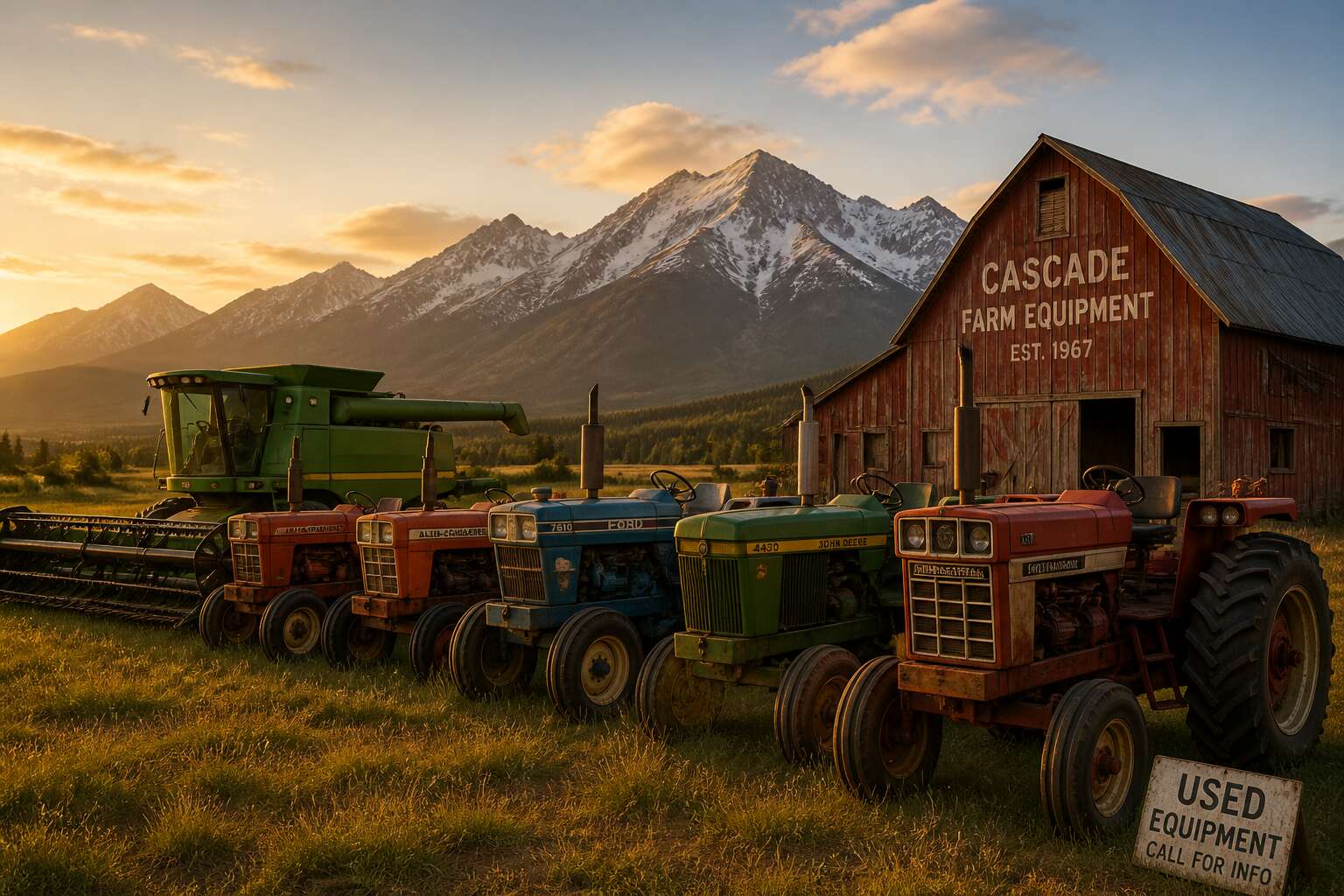
Assessing the Agricultural Machinery Landscape in Washington
Washington’s agricultural landscape resists easy summaries. The Palouse rolls with wheat, the Yakima Valley bursts with orchards, and the western lowlands stay wet enough to grow almost anything. That variety means machinery needs differ from county to county. For anyone shopping used farm equipment washington state, the terrain is the first spec sheet.
Take the Cascade divide. East of it, dryland farmers prize wide tillage tools. West of it, dairies and berry growers want compact, maneuverable loaders. Elevation and rainfall change the answers entirely.
– Tire and track condition matters more on steep grades.
– Rust weighs heavier in coastal drizzle than in dry eastern air.
– Older tier engines hold different resale value here than in other states.
When I talk to dealers, they remind me that the market follows microclimates, not county lines. Spend time walking fields with a farmer. The real landscape is the one under your boots, not the one on a map. That is where used farm equipment washington state finally makes sense.
Top Sources for Farm Equipment in Washington
Finding solid used farm equipment washington state requires patience and a good eye. The Palouse region, with its rolling wheat fields, has a deep history of machinery use, and dealers there often have well-maintained trade-ins. I have spent many mornings walking through lots, checking for wear on loader pins and listening to engines idle.
The state’s varied terrain means you will find everything from compact tractors for orchards to massive combines for dryland farming. This diversity keeps the market interesting and often more affordable than other regions. When you visit a farm that is downsizing, you often find the best deals. The owner knows every squeak and rattle, and can tell you the true history of the machine.
– Balers and swathers suitable for the hay country of the Yakima Valley.
– Potato harvesters and irrigation equipment in the Columbia Basin.
– Logging trucks and excavators common near the Olympic Peninsula.
Local auction houses in places like Spokane are lifelines for the community. They provide a transparent way to gauge prices and see equipment running under load. I find that building a relationship with a local mechanic is just as vital as the purchase itself. They are the ones who know which models had faulty transmissions and which ones will outlast us all.
Key Considerations for Evaluating Pre-Owned Machinery
In the Pacific Northwest, rain isn’t just weather, it’s a component of your machinery’s diet. When you shop for used farm equipment washington state, you are essentially buying a machine that has spent years marinating in moisture. That means the structural integrity of a frame matters more than the hours on the clock. Rust can hide in plain sight, masquerading as a simple cosmetic flaw until it snaps under load.
The local climate fosters a specific set of ailments that a mechanic from Arizona wouldn’t even think to check. Wiring harnesses become brittle, and hydraulic fittings corrode into solid blocks of iron oxide.
Here is what you look for before you hand over the cash:
– Check the wiring for signs of rodent nesting, they love the warmth.
– Probe the lower control arms for soft spots with a screwdriver.
– Inspect the coolant for any traces of oil, which suggests a blown gasket.
A tractor that looks pristine on the outside might be a ticking time bomb internally. You need to get your hands dirty and look past the fresh paint. The real value in used farm equipment washington state lies in the maintenance records, not the seller’s charming smile. Trust the paper trail, or expect a hefty repair bill later.
Logistics and After-Purchase Support for Washington Farmers
Buying used farm equipment washington state is only half the battle. The other half is getting that machine from the seller’s yard to your fields without losing sleep! I’ve watched deals sour over overlooked logistics, the kind of thing that turns a bargain into a burden.
Transport matters more than you’d think. A combine might sit in Spokane while your farm waits near the Palouse. You need to plan for permits, hauling costs, and timelines.
- Check local regulations on oversize loads.
- Confirm whether the seller offers delivery.
- Arrange insurance before transit begins.
After purchase, support is about honesty. Will the dealer share service records? Are parts available for that model? These questions define your relationship with the machine, and with yourself.
Avoiding Pitfalls and Maximizing Return on Investment
Seventy percent of used equipment purchases incur unexpected repair costs within the first year. Searching for used farm equipment washington state requires more than a quick scan of listings. The region’s wet climate causes corrosion that hides under fresh paint. I have watched buyers celebrate a low price, only to face repair bills that wipe out the savings.
Avoiding pitfalls starts with inspecting hydraulic lines and chassis welds. Look for rust that has been covered. Request maintenance records from five years. A hesitant seller usually hides something.
To maximize return on investment, consider this list:
- Inspect in daylight, not in a dim shed.
- Compare prices to auction results from last season.
- Verify engine hours against actual wear.
Patience turns a risky purchase into a reliable asset. Used farm equipment washington state holds value when matched to your specific needs.

0 Comments