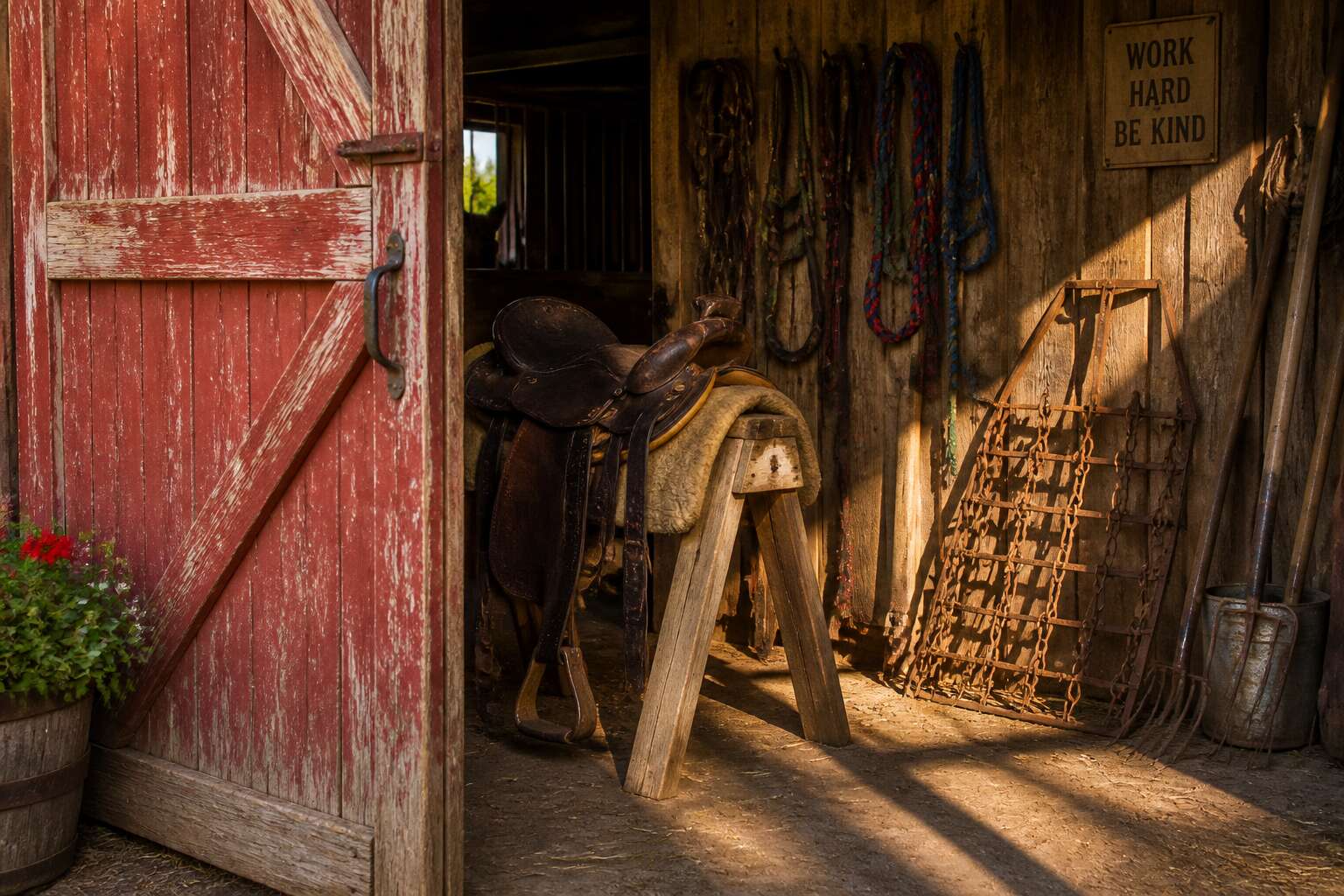
Assessing Your Horse Property’s Equipment Needs
Evaluating Property Size and Terrain for Machinery Requirements
One might think a sprawling property is the ultimate status symbol, but in the horse world, it is merely a canvas for your logistical nightmares. The terrain dictates everything, from the stamina of your tractor to the condition of your boots. A flat, five-acre paddock in the Free State demands nothing more than a reliable mower and a sturdy trailer. However, the undulating hills of KwaZulu-Natal call for four-wheel drive and serious horsepower, transforming your simple chores into a negotiation with gravity.
The secret to a financially sound operation is measuring your land against the iron you already possess. Buying a machine with immense capability for a small plot is a costly vanity project. Conversely, expecting a light utility vehicle to manage heavy, wet clay soil is a recipe for a very expensive recovery mission. Your land is not asking for a showroom piece; it is asking for a dependable partner, which is precisely where the market for used horse farm equipment becomes your best ally.
Consider the flow of your daily routine. Where do the water troughs sit? How far is the manure pile from the stables? These distances are your true rulers.
– Assess the steepest slope you must climb while towing a full load.
– Identify the narrowest gateways your machinery must pass through.
– Measure the turning radius required in your tightest yard corners.
Your budget thrives on honesty, not optimism. The farmer who pretends their flat, sandy soil is identical to the rocky Highveld will soon learn the difference in repair bills. Matching the machine to the land is not an act of compromise; it is an act of fiscal intelligence. A well-chosen, pre-owned implement that fits your terrain will work harder for you, and for your wallet, than a brand new one that barely fits the farm.
Distinguishing Between Essential Implements and Nice-to-Have Additions
Calculating the Cost-Benefit of Buying Pre-Owned Gear
When you shift from admiring a property to running it, the equipment question surfaces with real urgency. The most direct path to clarity is a simple audit of your daily chores. List every task that requires a machine, from mucking stalls to dragging arenas to cutting pasture. Count the frequency of each job. That frequency, not the wish list, becomes your purchasing priority.
The cost-benefit calculation for used horse farm equipment demands honesty about your own labor. A hay spear that costs R15,000 but saves you two hours of manual lifting per week pays for itself in a single season. The same logic applies to a manure spreader or a reliable tractor. Conversely, a fancy grooming chute that you use once a month for a show horse might never justify its space or price.
Age and maintenance history matter more than the initial price tag. A ten-year-old tractor with a meticulous service log and low hours often outperforms a newer model with unknown abuse. Ask for the hours, the service records, and any receipts for recent repairs. These documents reveal the machine’s true condition far better than a polished paint job. In South Africa, where parts availability can be sporadic, also confirm that the brand is supported locally before you commit.
The financial picture is not just about the sticker price. Factor in insurance, diesel or petrol costs, and the inevitable need for new tyres or hydraulic hoses. Used equipment often holds its resale value well if you maintain it properly, which softens the long-term blow. When you spread the total cost of ownership over five years of weekly use, a solid piece of pre-owned machinery frequently beats the depreciation hit of buying new. The goal is to match the tool to your workload, not to your ego, and that calculation usually points toward the practical, proven option.
Top Categories of Second-Hand Machinery for Equestrian Operations
Field Maintenance Equipment: Mowers, Harrows, and Rollers
Mowing, harrowing, and rolling form the backbone of safe equine footing. Without these tasks, pastures become rough and arenas develop uneven spots. Used horse farm equipment offers a practical route to acquiring mowers, harrows, and rollers that match the scale of your operation.
Second-hand mowers vary widely, from compact finishing models to heavy-duty rotary cutters. Harrows break up compacted soil and spread droppings, while rollers smooth surfaces after harrowing. Check the condition of blades, tines, and bearings before purchase. Common categories include:
- Rotary mowers for large grass areas
- Chain harrows for arena and pasture upkeep
- Water-filled rollers for deep compaction work
Each type serves a specific function, and the right choice depends on your acreage and footing material.
Manure Handling Solutions: Spreaders and Front-End Loaders
Let’s talk about the least glamorous, yet most essential, part of equestrian life: manure. Any horse owner in South Africa knows this stuff accumulates with alarming speed. While your noble steed does not care where it steps, your pastures certainly do. Piles left to sit become breeding grounds for parasites and unsightly dead patches. This is where used horse farm equipment for manure handling becomes your best friend.
For the smaller operations, a simple pull-behind spreader is a game-changer. You hitch it to a quad bike or small tractor, load it up, and drive. The machine flings the material back across the field, returning valuable nutrients to the soil. It is a satisfying process that turns a chore into a means of pasture improvement. When looking at pre-owned models, do not stress about the paint job. Focus on the integrity of the floor and the beaters. Rust is the enemy here, so give the underside a thorough inspection.
However, your management strategy might involve piling the waste in a designated compost area rather than spreading it directly. In that case, you need something with raw lifting power. A front-end loader attached to a utility tractor is incredibly versatile. It shifts not just manure, but hay bales, fencing posts, and gravel. It is an all-purpose tool that justifies its place in the shed. This is often the first piece of used machinery a new farm owner purchases, and with good reason.
When you are comparing these two approaches, a few key factors will guide your decision:
– Budget: Spreaders are generally cheaper than loaders.
– Existing Machinery: Loaders require a tractor with a front hitch. Do you have that capacity?
– End Goal: Do you want to fertilize fields immediately, or create a slow-curing compost?
– Storage: A loader bucket takes up less space than a wide spreader.
If you opt for a loader, remember that the bucket is only part of the equation. The real strain is placed on the tractor’s front axle and hydraulics. A used loader purchased separately might have hoses that are cracked or fittings that leak. Check for smooth operation and heavy-duty pins. A sloppy connection here spells danger on uneven ground. Always ensure the quick-attach plate matches your tractor brand.
The decision ultimately comes down to how you manage your paddocks. If your land is expansive and you rotate grazing, a spreader ensures you close the loop on fertility. If you run a busy yard with limited pasture, a loader helps you keep the pens clean and the compost rows turning. Both options are available on the second-hand market, offering a cost-effective way to keep your paddocks healthy without breaking the bank. Just remember that the smell of success is always a little earthy. Check the PTO shaft and universal joints before you hand over the cash. A worn joint will vibrate excessively and can cause serious damage to the gearbox.
Hay and Feed Management Tools: Balers, Wagons, and Chippers
Hay is the currency of the equestrian realm, and South African summers are unforgiving. When the grass turns brown, stored feed decides whether your horses thrive or merely survive. A used baler turns a paddock of excess into winter rations. The knotter mechanism ties those bales, and it is also the part that fails most often on older models.
Wagons and chippers serve different roles. A hay wagon moves bales from field to shed, while a chipper converts pruning waste into bedding or mulch. For a smallholding, a second-hand chipper might outrank a baler in usefulness. Your land and feeding strategy dictate the priority:
- Growing your own hay means a baler earns its keep.
- Buying feed and managing trees points toward a wagon and chipper.
The used horse farm equipment market in South Africa carries all three categories. The condition of PTO shafts and bearings separates a bargain from a headache.
Fencing and Pasture Installation Implements
In South Africa, where the sun scorches the Highveld and the Cape winters test both horse and handler, the quality of your equipment can define the rhythm of your days. Nearly 60% of local equestrian estates operate on a tight budget, making savvy purchases not just wise, but essential. Finding reliable used horse farm equipment is less about scavenging and more about strategic selection.
The true backbone of any operation lies in the infrastructure you rarely notice from the saddle. Fencing and pasture installation implements form the first line of defence against the wild and the elements. A second-hand post driver, for instance, can save your back and your budget when erecting kilometres of robust perimeter fencing. Equally important are the tools for maintaining the soil itself.
– Post hole augers (PTO-driven models are ideal for tractors)
– Chain harrows, perfect for spreading manure and aerating paddocks
– Rollers to smooth uneven surfaces and press down rocks after seeding
– Spike aerators to relieve soil compaction in high-traffic camps
These items often see heavy use, but their simple mechanics mean they can last for decades with a little TLC. When inspecting them, focus on the condition of the tines and the integrity of the frame; rust on the surface is cosmetic, but cracks in the welds are a dealbreaker.
Moving beyond the fields, the daily chore cycle revolves around hay and feed management. Securing a quality baler or a dependable trailer is a game-changer for those who buy in bulk from the Free State or Northern Cape.
1. Hay balers to manage your own lucerne, or to purchase windrows from local farmers.
2. Feed mixers to ensure every horse gets a balanced ration, reducing waste.
3. Flatbed trailers for hauling bales, feed bins, or even portable corrals.
4. Chippers for converting woody brush from windbreaks into usable mulch or bedding.
The market for used horse farm equipment in South Africa is rich with opportunities, particularly at auctions in communities like Witbank or Bredasdorp. While the newest tractor might boast modern telematics, a pre-owned model with a simple, mechanical diesel engine often offers greater repairability in rural areas. The same logic applies to your implements. A well-maintained piece of used kit, stored under a carport and greased regularly, will serve you faithfully. It allows you to allocate capital towards better genetics for your herd or improved feed, ensuring your equestrian venture thrives despite unpredictable weather and fluctuating input costs.
Stable Maintenance Equipment: Waterers and Power Sweepers
Stable maintenance rarely earns the spotlight, yet it devours more hours than any training session. In South Africa, where Highveld frost can crack exposed piping overnight, a dependable waterer is non-negotiable. Second-hand automatic models with float valves simplify hydration and cut daily labour considerably. Power sweepers, those unsung heroes of the aisle, turn mucking out into a measured chore rather than a punishing ordeal.
When browsing used horse farm equipment, keep an eye out for:
- Frost-proof waterers with ceramic or cast-iron bowls
- Tractor-mounted sweepers with hydraulic drives
- Portable pressure washers for sterilising troughs
A well-maintained unit from a retiring estate will often outlast a cheaper new import. The mechanics are simple, the value enduring.
Smart Sourcing Channels for Pre-Owned Agricultural Gear
Local Farm Auctions and Estate Sales: Hidden Gems and Risks
An auctioneer’s gavel often delivers the swiftest verdict on value. Local farm auctions and estate sales present used horse farm equipment with proven histories, but those histories sometimes include rough treatment. Inspect every item before the bidding starts. Estate sales from retiring breeders offer rare finds, yet condition varies sharply.
Check for hydraulic leaks and cracked welds. These defects appear only after purchase.
– Inspect tires for dry rot.
– Request a demonstration when feasible.
– Verify ownership documentation.
Auctioneers offer limited recourse, so your own diligence matters. A cheap muck spreader could demand costly repairs. Compare the savings against potential repair costs.
Online Marketplaces and Specialized Equestrian Classifieds
Online marketplaces have transformed the hunt for used horse farm equipment. A seller in Mpumalanga can list a gently used harrow, and a buyer in the Western Cape can inspect photographs within minutes. The challenge is separating polished listings from honest descriptions. Search filters help, but your own questions matter more.
Specialized equestrian classifieds offer a quieter, more targeted route. These platforms attract breeders and livery owners who know their machinery. You will find fewer listings, but the sellers tend to provide detailed maintenance histories for used horse farm equipment. That reduces the guesswork.
- Compare prices across at least three platforms.
- Ask for the original invoice or service records.
- Arrange a video call to view the equipment in motion.
Online deals require patience, yet they expand your options far beyond local fences.
Dealer Trade-Ins and Certified Pre-Owned Programs
Dealer trade-ins offer a quieter path to solid used horse farm equipment. When a stable upgrades its tractor, the dealership often keeps the old unit. That machine arrives with a known service history and a local warranty, which removes the guesswork that online listings create. Many South African dealers also run certified pre-owned programs. These go further by inspecting, servicing, and documenting each piece before it reaches the lot.
Certified units cost more than private sales, but they reduce downtime. You pay for the inspection and the paperwork, not for surprises. Ask the dealer which components were replaced and which are original.
- Request the full inspection checklist.
- Confirm the warranty covers wear items.
- Ask about delivery and setup fees.
Trade-ins appear on dealer lots across Mpumalanga and the Western Cape. They keep used horse farm equipment close to a professional support system, which matters when a harrow breaks before sunrise.
Networking with Neighboring Horse Farms and Co-ops
Some of the best pre-owned finds never appear in an advertisement. A neighbour three farms down may have a spare harrow after upgrading to a wider model. Trading shops, tack stores, and local co-op boards in the Free State and KwaZulu-Natal often carry handwritten notices about used horse farm equipment.
Co-ops are especially useful because they pool requests. Members mention what they need, and someone else hears it. These conversations create a direct line to the person who actually operated the machine, which beats guessing from photos. That is how pre-owned implements move quietly between properties, with the seller’s name attached to their history.
Critical Inspection and Condition Checklist Before Purchase
Structural Integrity: Checking Frames, Hitches, and Welds
A 2024 survey of Gauteng livestock auctions found that 34% of used tow units had unrepaired weld fractures. This matters because the frame decides whether any used horse farm equipment survives a loaded trailer.
Structure inspection starts with the rails. Bends in the chassis mean a previous impact. Paint patches on the main frame hide rust. The hitch carries full load when a horse shifts, so worn couplers and bent drawbars appear during turns. Welds need careful eyes.
- Cracks at the weld toes
- Porosity in the weld metal
- Mismatched plates from amateur repairs
These defects turn a bargain into a liability before the trailer crosses your gate.
Engine and Hydraulic System Diagnostics for Power Equipment
Few things sour a deal faster than a tractor that starts perfectly but collapses under load. In the used horse farm equipment market, the engine and hydraulic system are the true indicators of a machine’s past life. A smooth idle can hide worn rings, just as a clean dipstick can mask metal shavings. Before you commit, run the equipment long enough to reach operating temperature and listen for knocks or excessive smoke.
Hydraulics demand equal attention. The system operates everything from front-end loaders to hay bale spikes, so weakness here means reduced productivity. Check the fluid level and smell it. A burnt odour signals overheated oil and potential pump damage. Then, test every function. A loader that drifts downward with the engine off typically indicates internal cylinder leakage.
When conducting a hydraulic test, follow this simple checklist:
1. Cycle the lift arms fully up and down several times
2. Hold the loader at maximum height with the engine running
3. Watch for any visible drop within thirty seconds
4. Inspect all hoses for cracks or weeping at the fittings
5. Operate the steering in full turns to detect any dead spots
The condition of these systems tells you whether the previous owner maintained the machine or drove it into the ground. Used horse farm equipment with worn hydraulics will drain your budget faster than the purchase price ever could. Take your time, bring a mechanic if needed, and always perform a cold start to catch battery or starter issues. A thorough inspection now prevents an expensive resurrection project later.
Wear-and-Tear Indicators on Blades, Belts, and Chains
A crisp crack on a belt or a dull clatter from a chain can signal more than routine wear. In the world of used horse farm equipment, these components often reveal the true story of maintenance habits. Buyers who ignore these signs frequently face escalating repair costs within the first few months of ownership.
Blades on mowers and tillers take a tremendous beating, especially on rocky South African soil. Check the cutting edges for significant nicks or a rounded contour, which indicates heavy use without proper sharpening. More critically, look for cracks near the mounting holes. A blade with stress fractures is a safety hazard waiting to happen. You should also examine the mounting hardware for stripped threads or distortion.
Belts are the unsung workhorses of any baler or forage harvester. A healthy belt should have a clean, uniform surface without fraying on the edges. Cracking on the inner circumference is a natural sign of age, but deep grooves or a glazed, shiny appearance suggest slippage from incorrect tension. Ask to run the machine briefly. A squealing belt under light load is a telltale sign that the pulley system needs immediate adjustment.
Chains on manure spreaders and elevators require a different kind of scrutiny. Look for stiffness in the links; a tight chain that does not flex easily has likely run dry for extended periods. Measure the slack, and check for uneven wear on the sprocket teeth, which indicates a stretched chain. Here is a quick checklist to guide your inspection:
– Verify the blade thickness is consistent across the entire length
– Look for small rust pits on chain rollers, which weaken the metal
– Check belt tension by pressing down on the longest span, it should not depress more than half an inch
– Inspect the grease fittings on chain tensioners for signs of recent lubrication
Pay close attention to the tensioner springs on belt-driven systems. A rusted or weak spring allows the belt to slip, which burns out the belt quickly and reduces power to the cutting mechanism. This is a simple fix, but it points to a broader lack of preventative care. Similarly, check the idler pulleys for wobble. A rough bearing in an idler pulley will destroy a new belt within hours of installation.
The condition of these wear items provides a direct window into how the previous owner managed the equipment. A machine with worn blades but fresh, correctly tensioned belts suggests the owner replaced components proactively. Conversely, if all three areas show heavy wear, you are likely looking at a machine that was run hard and serviced rarely. That kind of neglect usually extends beyond the consumables, impacting the gearbox and the PTO shaft. In the market for used horse farm equipment, a thorough thirty-minute inspection of these parts is the best bargaining chip you have.
Verifying Maintenance Records and Hour Meter Readings
Every hour meter on a piece of used horse farm equipment tells a story, but a story can be embellished. In the South African market, where machines endure dust and heat, the odometer reading is only a clue. A baler showing 1,500 hours might be a bargain, or it could be a carefully disguised liability if the previous owner replaced the meter after an overhaul. The true narrative lives in the service log, the grease receipts, and the worn edges of the operator’s manual.
A meticulous record book rarely lies. Look for entries that list oil changes, filter replacements, and hydraulic fluid top-ups. Compare the dates against the hour meter reading. A gap of two years with no recorded service, despite a claim of light use, suggests the machine sat idle, which breeds its own set of maladies like corroded injectors and seized seals. You want a paper trail that matches the machine’s physical condition.
Focus your attention on these three pillars before negotiating:
– Cross-reference the hour meter against the condition of the tyres and the pedal rubber.
– Verify the serial number on the engine matches the frame and the ownership documents.
– Ask for the original bill of sale or import papers to confirm the machine’s lineage.
A machine with a low hour reading but a faded, cracked dashboard console points to sun damage from years outdoors. That same sun ages rubber hoses and seals long before the engine wears out. So, when you sit in the seat, feel the steering. Excessive play in the linkage, despite low hours on the clock, reveals rough handling or a bent tie rod. To truly trust a number, you must inspect the physical evidence that supports it. If an owner hesitates to show you the service records, treat the hour meter with suspicion. It is easier to twist a dial than to fabricate a decade of careful maintenance. Always weigh the paper against the metal.
Assessing Safety Features and Compliance with Current Standards
The Importance of a Test Run in Realistic Field Conditions
The most expensive part of any used horse farm equipment purchase often arrives after the deal is signed, hidden in a worn hydraulic hose or a cracked PTO shaft. A visual walkaround tells you only half the story. You must crawl underneath, shine a light into every crevice, and look for the telltale sweaty sheen of a slow leak. Bring a magnet to check for bog filler in critical structural points, and always poke suspect metal with a sharp screwdriver.
A static inspection is a moment in time. The true character of the equipment reveals itself under load and movement.
– Check for excessive play in all pivot points and bushings.
– Look at the condition of the tires. Dry rot cracks or uneven tread wear indicate poor storage or alignment issues.
– Inspect every grease fitting. A clean, freshly greased zerk suggests diligent maintenance, while a caked, dried-out one hints at neglect.
Your checklist is a guide, but the machine has its own voice. You need to hear it scream in protest.
The only way to know if the gear can handle your specific veld and climate is to run it. Do not accept a quick idle in the dealership yard. Ask to hitch it to your tractor, or better yet, perform a test on your own property. Drag the harrow through a patch of hard, unyielding ground. Engage the PTO on the spreader with an actual load of wet manure. Listen for the grinding of gears, the high-pitched whine of a failing bearing, and watch for excessive smoke under sudden acceleration.
Feel the vibration through the seat. A machine that shudders violently at operating RPMs has a problem that no amount of paint will fix. You are looking for the smooth, rhythmic hum of a well-balanced unit. If a dealer refuses this request, it is a warning. The right piece of used horse farm equipment will perform its task without dramatics or excuses, earning your trust through simple, honest labour.
Budgeting, Negotiation, and Long-Term Value Strategies
Setting a Realistic Price Range Based on Market Research
Purchasing used horse farm equipment is a significant financial decision. The initial price tag can be tempting, but true cost extends far beyond the sticker. A smart buyer understands that value is a long game, measured in maintenance hours and operational efficiency, not just the current asking price. Approaching this market requires a clear strategy.
Begin by establishing a firm budget that includes a contingency fund for immediate repairs. This figure acts as your anchor during price discussions. However, a budget is only effective when paired with market knowledge. Research the specific models you are considering to understand their common failure points and realistic lifespan. This information transforms you from a passive observer into an empowered negotiator. When you encounter a machine, focus on its functional condition rather than its cosmetic appeal. Rust is superficial, but hydraulic leaks are costly.
Negotiation is a delicate dance. State your offer based on verifiable data, such as the cost of replacing worn tires or the average price of a new clutch. Yet, remember that the lowest price rarely equates to the best value. A machine priced slightly higher with documented service history and minimal wear is often a superior investment. The real cost emerges during your ownership, so prioritize reliability over initial savings.
Ultimately, long-term value is a mindset. Focus on the total cost of ownership, which includes parts availability, fuel consumption, and the machine’s ability to perform its specific task efficiently. A balance of patience and preparation ensures your investment contributes to your operation rather than draining it. Ask pointed questions about the equipment’s history and then make a decision rooted in practicality. This approach yields a purchase that serves you well for years.
Negotiation Tactics for Private Sellers vs. Dealerships
When budgeting for used horse farm equipment, the seller’s identity shifts your negotiating leverage. Private sellers often price from emotional attachment, leaving room for patient bargaining. Dealerships carry overheads and certification costs, so their floor prices sit higher.
Consider these contrasts during discussions:
- Private sellers may accept a quick cash offer, yet they rarely offer guarantees.
- Dealers provide service logs and sometimes limited warranties, but they resist deep discounts.
A private owner might drop the price substantially, but you assume more mechanical risk. A dealer’s documented history justifies a firmer figure. This tradeoff feeds directly into long-term value. A slightly higher dealership price can protect you from hidden hydraulic failures. Alternatively, a private purchase with a thorough maintenance diary could outperform any showroom promise. Your final decision on used horse farm equipment depends on which risk you can manage.
Factoring in Immediate Repairs and Replacement Parts Costs
Budgeting for used horse farm equipment demands a sharper pencil than shopping for new. The upfront price tag is only the opening move in a longer financial game. You must factor in the immediate costs of tires, hoses, and fluids, which often need replacement soon after purchase. A thorough inspection can reveal pending repairs, and these costs should be calculated into your total budget, not treated as an afterthought. The real financial picture emerges when you add potential repair bills to the purchase price.
Negotiation tactics differ significantly between private sellers and dealerships. A private seller often prices equipment with sentimental value attached, but they may accept a swift cash offer because they lack overhead costs. Dealerships, however, have more invested in the machinery and offer certified inspections, which justifies their higher floor prices. They might include a limited warranty or service records to sweeten the deal, yet they will rarely move much on the sticker price. Your approach should always be respectful but firm, focusing on documented mechanical issues as leverage.
Long-term value hinges on the availability and cost of replacement parts. Consider the age and model of the equipment; older machines may have cheaper parts but could be harder to source. Here is a quick checklist to guide your evaluation:
– Check for hydraulic line wear and potential leak points.
– Inspect the condition of the PTO shaft and its safety guards.
– Verify the gearbox oil level and look for metal shavings.
– Assess the frame for cracks or signs of previous welding.
A dealer’s documented history might justify a firmer figure, but a private purchase with a thorough maintenance diary could outperform any showroom promise. The true cost of used horse farm equipment is the sum of the purchase price, immediate repairs, and the expected lifespan of the parts. A slightly higher upfront cost from a dealer can protect you from hidden hydraulic failures, while a cheaper private sale might leave you with a machine that spends more time in the shed than in the field. Weigh these factors carefully, and you will find the balance that suits your operation.
Resale Value Considerations: Brands with High Residual Worth
A shrewd buyer knows that the true expense of used horse farm equipment extends far beyond the initial handshake. Your budgeting strategy must account for the hidden variables that emerge in the first season of ownership. While fresh machinery offers predictable financing, pre-owned gear demands a financial buffer for the unexpected. This cushion is your insurance against downtime during critical haying windows, ensuring a minor hydraulic leak does not derail your entire operational calendar.
The negotiation table looks different when you understand the seller’s motivations. Private owners often carry emotional attachments to their machinery, yet they also face the pressure of storage costs and diminishing utility. Dealerships provide peace of mind through certified inspections, but their floor prices reflect overhead and profit margins. When discussing price on used horse farm equipment, anchor your offer in documented maintenance records and visible wear patterns. The seller’s flexibility often correlates directly with their desire to move the asset quickly rather than their need to recoup the original investment.
Beyond the transaction lies the long game of asset liquidity. The smartest purchasers evaluate used horse farm equipment through the lens of future resale potential. Budget-friendly imports may save you money today, but they often carry steeper depreciation curves and thinner parts networks. Recognize that your ultimate return hinges on strategic model selection:
– Prioritize brands with established local dealer support and readily available consumables.
– Invest in well-known model lines that have maintained demand over multiple production decades.
– Verify that the specific configuration you want, such as hydrostatic drive or specific PTO speeds, remains desirable in the secondary market.
These factors determine whether your purchase functions as a durable tool or a depreciating liability. Weighing the lifecycle cost against the sticker price reveals the genuine value proposition for your South African operation. The pasture does not care about the original MSRP; it only responds to the reliability of the machine you put to work. That reliability, combined with smart resale timing, shapes the legacy of your investment long after the tractor leaves the lot.

0 Comments